

How to Prevent Damaged Fishing Tackle: A Complete Care Guide
Table of Contents
How to Prevent Damaged Fishing Tackle: The Essentials
How to Prevent Fishing Rod Breakage Through Proper Handling
Fishing Rod and Reel Maintenance: Your Post-Trip Routine
Step-by-Step Cleaning Process
Drying and Storage Between Trips
How to Store Fishing Lures to Prevent Corrosion and Damage
How to Protect Fishing Rods During Transport and Travel
Inspecting Your Tackle for Damage Before Every Trip
Long-Term Storage and Seasonal Preparation
Common Mistakes That Damage Fishing Tackle
Frequently Asked Questions
Last Updated: October 15, 2026
How to Prevent Damaged Fishing Tackle: The Essentials
Damaged fishing tackle costs money and ruins trips. A broken rod, corroded reel, or bent lure can sideline your gear for weeks, but most damage is preventable with smart handling and basic maintenance.
We work with serious bass anglers daily and see which tackle survives hard use. The difference comes down to how anglers handle, store, and maintain gear between trips.
This guide covers the exact steps to prevent damaged fishing tackle: handling rods safely, cleaning reels, protecting lures from corrosion, and long-term storage. Follow these practices and your premium tackle will last years instead of months.
How to Prevent Fishing Rod Breakage Through Proper Handling
Rod breakage happens fast. A rod tip snaps. A guide cracks. A blank splits. Once damage starts, it spreads. The key is preventing that first break.
Most rod damage comes from pressure on the blank: resting rods on hard surfaces, leaning them against boat seats, or propping them in holders at bad angles. Each stresses the blank and leads to cracks.
Keep rods at a safe angle under load.
Avoid impacts. Don't let rods bang against door frames, truck beds, or railings, and don't set them down hard on concrete or rocks. Even a short fall causes hairline cracks that spread. Treat your rod like expensive glassware.
Use rod holders designed for your rod type. One that's too tight crushes the blank; one that's too loose lets the rod shift and bang around. The holder should support the rod firmly without pinching.
Common handling mistakes:
Resting the rod tip on the ground while setting up
Leaning rods against hard surfaces
Storing rods horizontally without support
Forcing rods into tight spaces
Carrying multiple rods bundled together without protection

Fishing Rod and Reel Maintenance: Your Post-Trip Routine
Your rods and reels face salt, sand, and fresh water every trip. Salt corrodes metal, sand grinds into moving parts, and standing fresh water breeds mold and rust. A 15-minute post-trip cleaning routine prevents months of damage.
Chris Myers
Step-by-Step Cleaning Process
Start with the rod. Rinse the entire blank with low-pressure fresh water from a hose or sink, working from handle to tip. Pay special attention to where the guide feet meet the blank, sand and salt hide there.
Dry the rod with a soft cloth. Don't leave it wet. Water sitting on the blank can seep into the guide feet and cause corrosion.
Move to the reel. Rinse the reel body, spool, and handle with fresh water. Use a soft brush on the spool to remove sand. Don't spray water directly into the drag system or bail.
Dry the reel completely. Use a cloth to wipe down the entire housing. Open the bail and dry inside the spool area.
Wipe down your fishing line. Salt and sand stick to it, and a quick rinse and dry extends line life, damaged line breaks more easily.
Check the rod guides for debris. A small stick or sand grain can cut your line on the next cast. Run your finger gently inside each guide. Feel for rough spots or damage.
Drying and Storage Between Trips
Never store wet tackle. Moisture causes rust, mold, and corrosion. Dry everything completely before putting it away.
Stand rods upright or lay them flat on a clean surface, don't coil them tightly, which stresses the blank. Air dry for at least an hour before storing.
Store rods in a cool, dry place like a garage or closet, away from direct sunlight, UV degrades rod materials. Avoid hot vehicles and unheated sheds, where temperature swings expand and contract materials and stress the blank.
Store reels separately from rods when possible. This prevents pressure on the reel foot. If you store them together, don't clamp them tight. Lay them gently in a rod bag or protective case.
How to Store Fishing Lures to Prevent Corrosion and Damage
Fishing lures corrode fast. Metal hooks rust. Paint chips. Soft plastics dry out or become sticky. Hard baits crack. Lures stored wrong become unusable in weeks.
The enemy is moisture and heat. Store lures in a cool, dry place. A basement or climate-controlled closet beats a hot garage or shed.
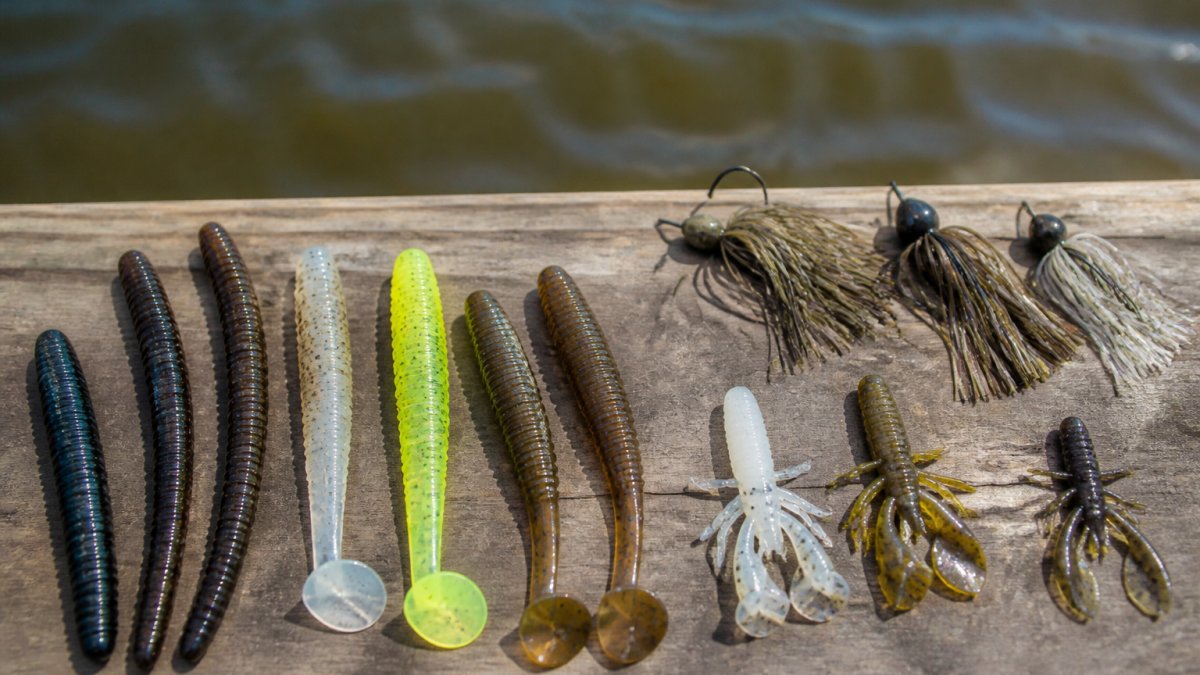
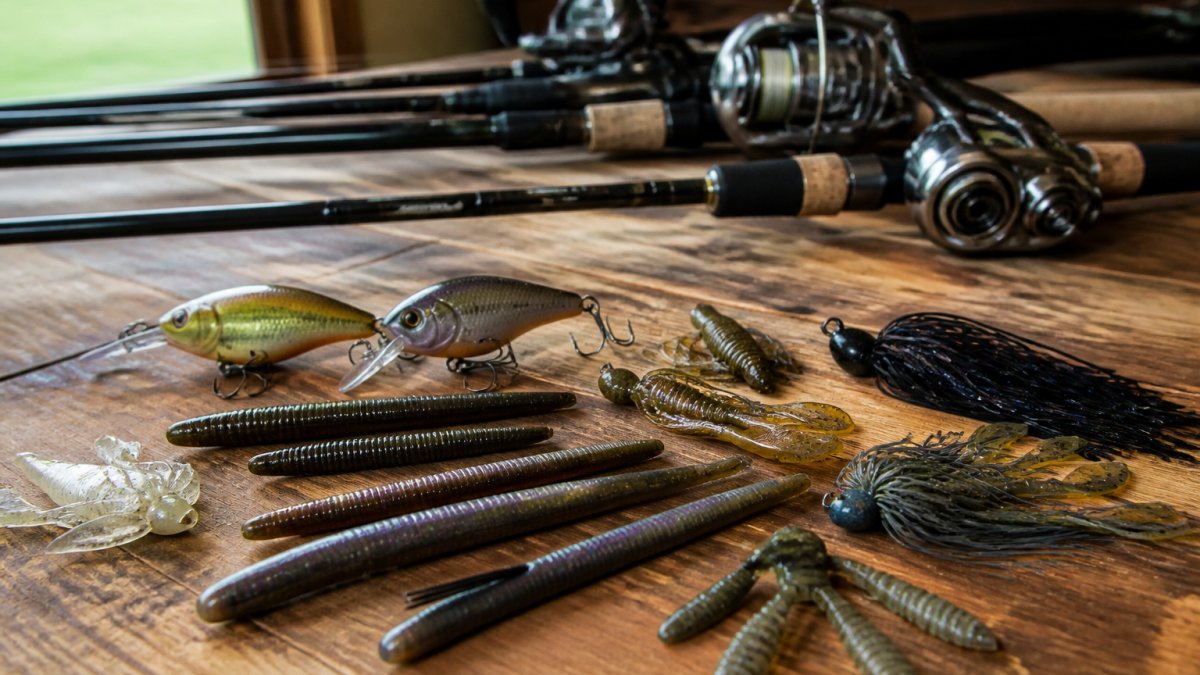
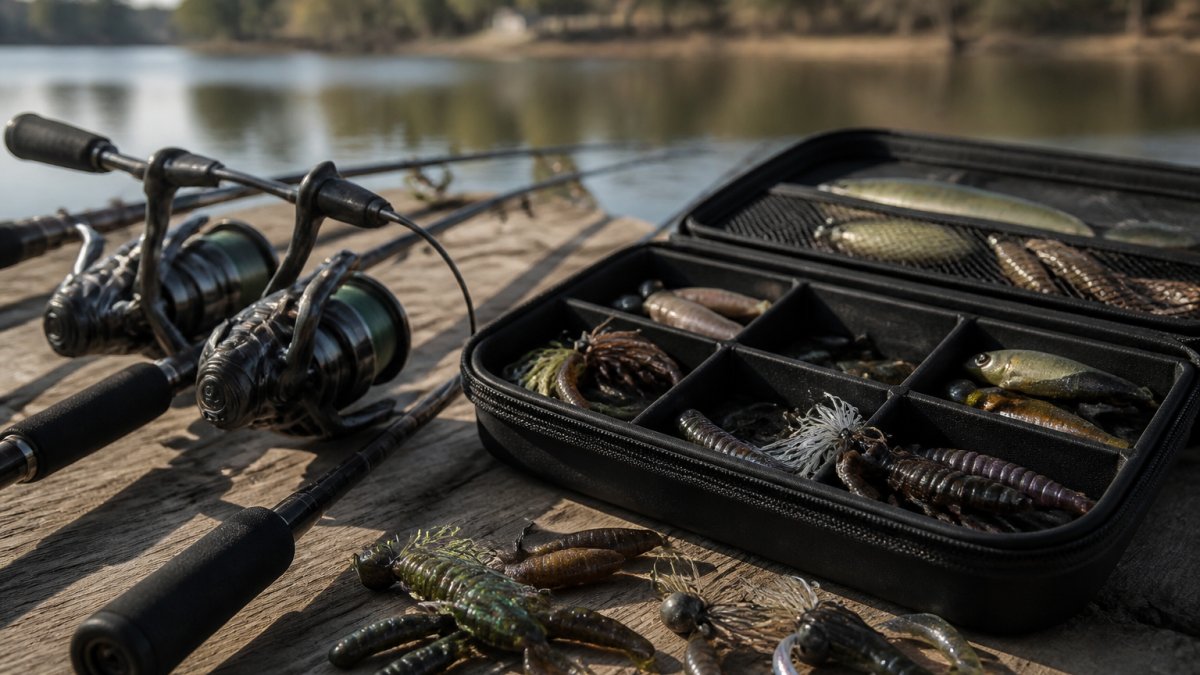
Use a modular storage box with individual compartments so each lure has its own space, preventing tangled hooks and chipped paint. Compartments also let you organize by type: crankbaits, soft plastics, and hard baits in separate sections.
Separate soft plastics from hard baits and metal lures. Soft plastics can leach chemicals that damage paint on hard baits. They can also degrade when touching certain metals.
Keep lures dry. If they get wet, dry them before storing, moisture rusts hooks and makes soft plastics sticky and degraded.
For valuable lures like premium Megabass or Geecrack baits, consider individual plastic sleeves or small bags. These add a layer of protection. They cost little and extend lure life significantly.
Check stored lures every few months for rust on hooks and drying or stickiness in soft plastics. Discard lures with major damage, they won't fish right and waste time on the water.
Storage tips for different tackle types:
Crankbaits: individual compartments, hooks facing down
Soft plastics: separate from hard baits, cool storage
Spinnerbaits and jigheads: hooks protected, organized by weight
Hard baits: compartments to prevent chipping
Terminal tackle: dry storage, organized by size and type
How to Protect Fishing Rods During Transport and Travel
Transport is when most tackle damage happens.
Use a rod bag or protective case for every trip. A fabric rod bag cushions impacts and protects the blank from scratches; a hard case offers even more protection. Pick what fits your budget.
For vehicle transport, secure rods so they don't slide. A vehicle rod rack holds them at a safe angle; without one, lay rods flat on the back seat or in a secured case.
For boat transport, use a rod holder matching your setup and secure rods before moving. Don't let them bang against railings or each other, separate them with rod sleeves or foam padding.
For air travel, a hard rod case is essential. Pack rods with padding around them, never loose, baggage handlers aren't gentle, and padding absorbs impacts that would otherwise crack your blank.
Keep reels and tackle separate from rods when possible. Pack them in a separate bag or case. This prevents pressure on the reel foot and protects sensitive parts.
Inspecting Your Tackle for Damage Before Every Trip
Damage that starts small gets worse fast. A hairline crack becomes a full break. Light rust becomes heavy corrosion. Catching damage early stops the spread.
Before every fishing trip, do a quick inspection. It takes five minutes.
Check the rod blank for cracks, chips, or splits. Hold it to the light, run your hand down the length, and feel for rough spots or splintering.
Check the rod guides are tight and uncracked. A loose guide bangs against the blank; a cracked guide cuts your line.
Inspect the reel for rust or corrosion on the handle, spool, and body. Clean any rust before fishing, it spreads and damages the reel's function.
Test the drag system. Set the drag to a reasonable tension and pull on the line. The drag should slip smoothly.
Check your fishing line for frays, weak spots, or discoloration. Damaged line breaks under pressure. Replace it if it looks worn.
Check lures for rust, paint damage, or cracks. Rusty hooks don't set well, damaged paint reduces effectiveness, and cracked hard baits don't swim right. Repair or retire damaged lures before fishing.
Pre-trip inspection checklist:
Rod blank: cracks, chips, splits
Rod guides: tight, not cracked
Reel: rust, corrosion, smooth operation
Drag system: smooth slipping
Fishing line: frays, weak spots
Lures: rust, paint damage, cracks
Long-Term Storage and Seasonal Preparation
Off-season storage is different from between-trip storage. Tackle sits for months. Temperature swings happen. Humidity changes. You need extra protection.
Before storing tackle for the season, do a full cleaning: rinse and dry everything, clean reels with a soft brush, dry rods completely, and discard damaged lures.
Store tackle in a climate-controlled space like a basement or indoor closet.
Use airtight containers for lures. Moisture can still creep in over months. Airtight containers slow that process. Add a silica gel packet to absorb any moisture that does get in.
Store rods horizontally on a rack or shelf. Vertical storage puts constant pressure on the guide feet; horizontal storage spreads weight evenly.
Store reels separately from rods. Wrap them in cloth to protect from dust and moisture. Store them in a cool, dry place.
Check stored tackle every month or two for rust, mold, or other damage. Clean and dry affected gear immediately.
Before the new season, inspect everything again: test reels, check rods for storage damage, replace degraded lures, and test line, replacing it if weak.
Common Mistakes That Damage Fishing Tackle
Most tackle damage comes from a few repeated mistakes. Avoid these and your gear lasts much longer.
Mistake 1: Storing wet tackle. Anglers pack up and store gear while still damp, and water causes rust, corrosion, and mold.
Mistake 2: Storing rods vertically for long periods. Vertical storage puts constant pressure on the guide feet and blank, causing cracks.
Mistake 3: Leaving lures mixed together. Hard baits rub against soft plastics. Hooks tangle and bend. Paint chips off.
Mistake 4: Ignoring small cracks. A hairline crack in a rod blank worsens every cast and spreads under load.
Mistake 5: Storing tackle in hot vehicles. Heat degrades rod materials, softens guide glue, and makes soft plastics melt or turn sticky.
Mistake 7: Not rinsing after saltwater fishing. Salt corrodes metal fast.
Mistake 8: Packing tackle loose in vehicles. Rods shift and bang around, reels get crushed, and lures get damaged.
Preventing damaged fishing tackle is simple. Handle rods carefully. Keep them at safe angles under load. Clean and dry everything after every trip.
When you invest in quality tackle, you're investing in your fishing success.
Maintenance Task | Timing | What to Check |
Post-trip cleaning | After every trip | Rod blank, guides, reel body, line |
Drying and storage | Before storing | Complete dryness, proper positioning |
Lure inspection | Monthly during season | Rust, paint damage, corrosion |
Pre-trip inspection | Before each trip | Rod cracks, reel function, line condition |
Seasonal deep clean | Before off-season | Full cleaning, damage assessment |
Storage check | Every 1-2 months off-season | Signs of rust, mold, or degradation |
Frequently Asked Questions
How can you prevent a fishing rod from breaking?
Prevent fishing rod breakage by keeping rods at a safe 45-degree angle under load, avoiding impacts and pressure on the rod blank, and never forcing the rod beyond its rated capacity. Store rods in protective sleeves or cases during transport, inspect the rod blank regularly for cracks or chips, and handle the rod tip carefully, it's the most vulnerable part. Proper technique and storage eliminate most breakage causes.
What's the best way to store fishing lures to prevent damage?
Store fishing lures in a modular tackle box with compartments that keep hard baits, soft plastics, and terminal tackle separated. Keep lures dry and away from direct sunlight to prevent fading and material degradation. Store soft plastics away from hard baits to prevent staining, and keep hooks and jigheads in dedicated compartments to prevent corrosion. A cool, dry location extends lure life significantly.
How should you clean fishing rods and reels after a trip?
Rinse your rod and reel with fresh water immediately after use to remove salt, sand, and debris. Use a soft brush or cloth to gently clean the rod guides and blank. For the reel, rinse the exterior and allow it to air dry completely before storing. Dry the fishing line by stripping it and wiping it with a clean cloth. Store everything in a cool, dry location to prevent corrosion and moisture damage.
How can you protect fishing gear during transport?
Use a rod bag, protective sleeve, or modular rod case to shield rods from impacts during vehicle and boat transport. Secure rods horizontally or at a safe angle to prevent pressure on the blank. Pack tackle boxes in a secure location where they won't shift during travel. For air travel, use a hard-sided protective tube for rods and keep tackle in carry-on luggage when possible. Proper transport prevents scratches, bumps, and impact damage that shorten gear life.
Download our App!
Comments