

Is Premium Japanese Tackle Worth It? A 2026 Guide
Table of Contents
Is Premium Japanese Tackle Worth It? The Real Answer
JDM vs. U.S.-Market Fishing Tackle: What Actually Differs
Lure Design and Regional Tuning
Compatibility and Component Standards
JDM Tackle Quality and Price: What You're Paying For
Japanese Fishing Rods: Where the Money Goes
The Real Cost of Buying JDM Tackle Online
The Landed-Cost Formula
A Worked Example
Where the Premium Actually Lands
The Domestic Alternative
How to Reduce Landed Cost
The Break-Even Question
Who Should Buy Premium JDM Tackle, and Who Shouldn't
Warranty, Returns, and Repair for Imported Gear
How Japanese Warranty Structures Actually Work
The Three Questions to Ask Before You Buy Anywhere
Repair and Parts Availability
Long-Term Ownership Cost
A Simple Decision Rule
Why This Section Exists
Conclusion: Matching JDM Tackle to How You Fish
Frequently Asked Questions
Last Updated: October 15, 2026
Is Premium Japanese Tackle Worth It? The Real Answer
Below: what differs between JDM and U.S.-market gear, where your money goes on a Japanese rod, the true landed cost of ordering overseas, and who should skip it.
Key Takeaway The question is not whether Japanese tackle is good. It is whether a specific bait solves a problem your local fish present. Buy for the problem, not the flag on the box.
JDM vs. U.S.-Market Fishing Tackle: What Actually Differs
JDM tackle is built for the Japanese domestic market, where heavy fishing pressure means fish see a lot of lures. That pressure shapes the design choices that separate JDM from U.S.-market gear.
Lure Design and Regional Tuning
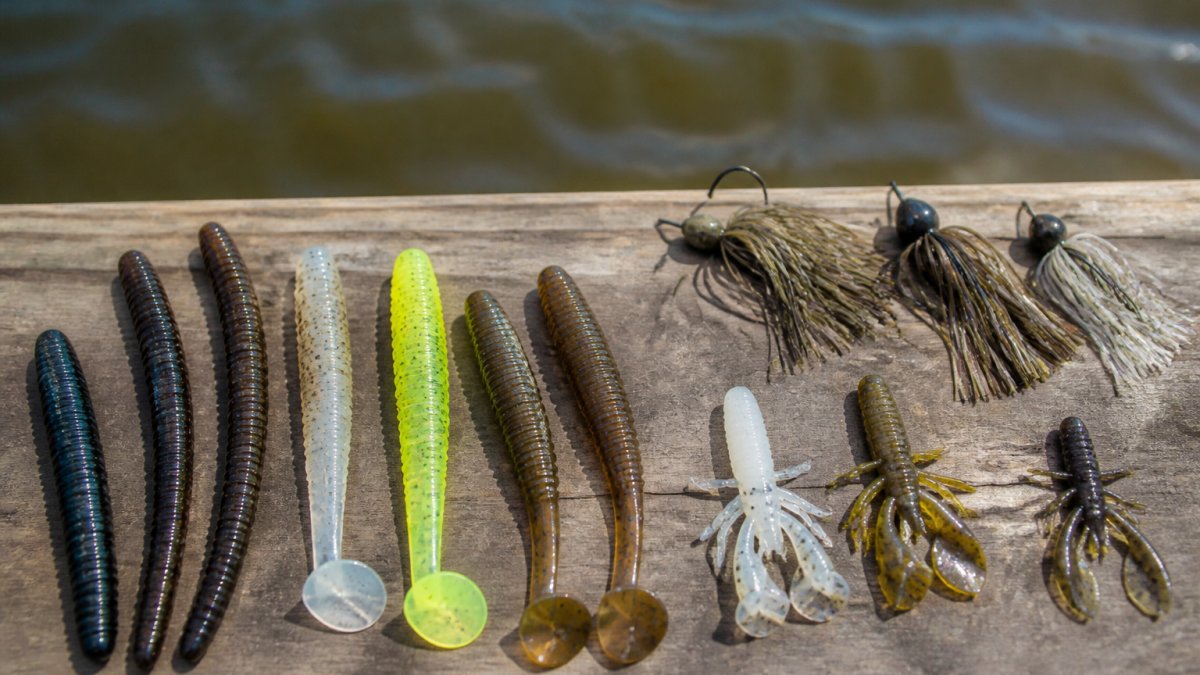
Japanese bait designers tune for clear, pressured water and a slow, darting fall. American baits often chase a wider, louder action for stained water and aggressive fish. Neither is better.
That is why so many Japanese lure families ship in a dozen weights and fall rates. You are not buying a color. You are buying a speed.
Pro Tip The fall rate printed on a Japanese bait package is the spec that matters most. Two baits in the same color can fish like completely different lures if the sink speed differs.
Compatibility and Component Standards
Most Japanese reels, rods, and lines interchange cleanly with American gear, but Japanese line gauges run thinner, a "12 lb" JDM fluorocarbon often measures closer to a U.S. 10 lb. Check the millimeter rating, not the pound test.
JDM Tackle Quality and Price: What You're Paying For
Hardware shows the gap first: Japanese baits commonly ship with upgraded trebles and split rings, real value if you were going to swap hooks anyway.
Limited runs and regional colorways drive the price fastest, scarcity costs more than performance.
U.S. Fish and Wildlife Service angler participation data shows how large and competitive the American bass market has become, which is part of why Japanese makers now tune so many baits specifically for U.S. waters.
Japanese Fishing Rods: Where the Money Goes
A Japanese bass rod's cost sits in the blank, guide train, and labor.

Guides matter just as much: titanium-framed guides with silicon carbide inserts resist grooving and shed line faster.
Here is the trade-off nobody mentions. A premium Japanese rod is less forgiving of sloppy hooksets and heavy-handed flipping. It rewards clean technique and punishes the opposite.
Watch Out Buying a high-modulus Japanese rod as your first baitcaster is a common and expensive mistake. The blank is stiff and fast, and beginners snap tips setting the hook on a slack line. Start on a mid-tier rod, then upgrade.
The Real Cost of Buying JDM Tackle Online
Buying JDM tackle online means the sticker price is not the price you pay, shipping, duties, and currency conversion stack on top. The only honest way to answer whether premium Japanese tackle is worth it is to compare landed cost against the domestic out-the-door price.
The Landed-Cost Formula
Landed cost has five parts:
Item price in the seller's currency
Currency conversion spread, the gap between the mid-market rate and the rate your card or payment processor gives you
International shipping, flat rate or weight-based, per parcel
Duty and tariff on the declared value, assessed by U.S. Customs and Border Protection based on the item's classification
Any brokerage or handling fee charged by the carrier to clear the parcel
Add those five for your true cost, then compare that number, not the item price, against the same class of gear from a domestic dealer.
A Worked Example
Say you order a single premium Japanese bait at a $25 item price from an overseas seller.
Line Item | Typical Range | Notes |
Item price | $25.00 | Sticker price in the seller's currency |
Currency conversion spread | $0.50-$1.00 | Roughly 2-4% on a card that does not waive foreign transaction fees |
International shipping | $8.00-$20.00 | A single small parcel is the worst case per-unit |
Duty and tariff | Varies | Depends on classification and declared value; low-value parcels are often below the threshold where duty applies |
Carrier brokerage/handling | $0-$15.00 | Some carriers bundle this, some bill it separately |
On a single bait, add-ons can rival the item price. On a consolidated order of ten, the same shipping and handling spread across ten units and the per-bait premium collapses, the argument for ordering once and ordering enough.
Where the Premium Actually Lands
Run the same math on a premium Japanese rod and the picture changes. Shipping is a smaller percentage of the total, but duty and brokerage scale with declared value, and a rod is bulky enough to trigger dimensional-weight charges. The landed premium is a smaller percentage than on a single bait, but a larger absolute number.
The Domestic Alternative
A U.S. dealer who imports in bulk has already absorbed shipping, duty, and brokerage across a container and spread it across hundreds of units. That is why a domestic price can look higher than an overseas sticker and still be the cheaper landed cost, you pay a modest markup for someone else to handle customs, currency, and freight, and you get a U.S. return address.
How to Reduce Landed Cost
Consolidate. One large order beats five small ones every time, because shipping and brokerage are per-parcel costs.
Pay in USD where the seller allows it. You avoid a second conversion layer.
Know the threshold. Duty applies based on classification and declared value, and the rules change. Check current guidance at U.S. Customs and Border Protection import guidance before a large order rather than after.
Pro Tip The number to compare is landed cost versus domestic out-the-door price, never sticker price versus sticker price. A bait that looks 30% cheaper overseas can be more expensive once shipping and conversion are added to a single-unit order.
The Break-Even Question
The practical rule: ordering one or two items, buy domestic. Ordering enough to spread shipping and brokerage across many units, the overseas landed cost can beat the domestic price, the only scenario where the import math works in your favor.
Who Should Buy Premium JDM Tackle, and Who Shouldn't
Premium Japanese tackle is built for anglers who fish pressured water often and can feel the difference a slow fall makes.
Buy it if you fish clear, high-pressure lakes, already own solid mid-tier gear, and want specific fall rates and actions rather than a wall of colors.
There is a middle path. Buy one or two Japanese baits for the situations that frustrate you most, fish them hard, and let the results decide.
Warranty, Returns, and Repair for Imported Gear
Warranty support is the weakest link in buying JDM tackle online, and most guides skip it. It is where the true ownership cost of premium Japanese tackle lives, and the biggest reason a lower sticker price can turn into a worse deal.
How Japanese Warranty Structures Actually Work
Japanese manufacturers typically honor warranties through the original retailer in the country of purchase, not a global service network.
A domestic dealer changes that geometry. Buy from a U.S. retailer and the return window and warranty conversation happen in your time zone, in dollars, without a customs form. The dealer absorbs the international leg, that is the service you pay the markup for.
The Three Questions to Ask Before You Buy Anywhere
What is the return window, and does it start at purchase or at delivery? On imported gear, delivery can be weeks after purchase, so a window measured from the purchase date can expire before the box is even opened.
Who pays return shipping, and does that include the international leg? A policy that covers domestic return shipping but not the overseas leg is not really a return policy on imported gear.
Who handles a warranty claim, the seller, the manufacturer, or you? If the answer is "you," price that into the decision.
Federal Trade Commission guidance on return policies explains what sellers must disclose about returns, which is worth reading before any online tackle purchase.
Repair and Parts Availability
Rods and reels are repairable, and repair is where domestic support pays off over years. Guide replacement, tip repair, and reel service are routine on gear you fish hard.
This is the ownership-cost angle most guides miss: the purchase price is one-time, but repair access is recurring. A rod you can fix locally has a longer useful life than one you cannot.
Long-Term Ownership Cost
Think about premium Japanese tackle like any durable good: the relevant number is cost per season of use, not cost at checkout.
A domestic purchase carries a higher upfront price but a shorter path to repair, a real return window, and a warranty conversation you can actually have.
A direct overseas purchase carries a lower sticker price but a longer path to repair, a return window that may be impractical to use, and a warranty claim that may cost more in shipping than the part is worth.
For an angler who fishes a premium rod 40 days a year for five seasons, the domestic premium is usually small when divided across that use. For an angler who buys one bait on impulse, the domestic premium is not worth it, and the overseas purchase is fine, because a bait rarely needs service.
A Simple Decision Rule
Baits, hooks, and terminal tackle: buy wherever the landed cost is lowest. These items rarely need warranty service, so the post-purchase risk is low.
Rods and reels: buy domestic unless the overseas savings are large enough to self-insure the repair risk. Price the worst case, a snapped tip or a failed drag, before you decide.
Anything you fish hard and often: buy domestic. The repair access is the product.
Watch Out The worst outcome is not paying too much. It is buying a premium rod overseas, breaking it, and discovering the repair cost plus round-trip international shipping exceeds what a domestic replacement would have cost in the first place. Price that scenario before you click buy.
Why This Section Exists
Most guides tell you what to buy and how to order it, almost none what happens six months later when something breaks. That gap is the real answer to whether premium Japanese tackle is worth it: the gear is excellent, but the value depends on whether you can get it serviced when it fails. Buy the support, not just the blank.
Conclusion: Matching JDM Tackle to How You Fish
Anglers who get burned on Japanese tackle buy it as a status symbol. Those who win buy two or three baits tuned to a specific problem on their home water, learn them cold, and let the fish tell them whether the upgrade was real.
At Pine State Tackle, we stock the largest JDM selection in the Northeast and the largest Megabass and Geecrack inventory in the region. We are a U.S. Army veteran-owned shop, and every order over $99 ships free domestically.
Frequently Asked Questions
Is Japanese fishing tackle better than U.S.-market tackle?
Neither is universally better; they are built for different conditions. Japanese tackle often shows finer finish work, tighter tolerances, and lure actions tuned for pressured fish. U.S.-market gear tends to favor durability and simpler designs for varied conditions. The deciding factor is whether the specific bait or rod matches how and where you fish, not the country of origin.
Is JDM tackle more expensive than U.S.-market gear?
The sticker price is often higher, and the gap widens once you add international shipping, duties, and tariffs. Buying from a domestic dealer that already stocks JDM inventory removes those extra costs and wait times. Compare the landed cost, not just the listed price, before deciding whether a lure or rod is worth it for your budget.
What should I check before buying JDM tackle online?
Confirm the retailer's return policy, whether the item is in stock or a backorder, and how it ships. Check that the rod length, lure weight rating, and line class match your local waters, since JDM specs follow Japanese standards. Also consider that warranty service on imported gear is harder to arrange than on domestic purchases.
Are JDM lures designed for different fishing conditions?
Yes. Many JDM lures are tuned for clear, heavily pressured water where subtle action and precise finishes matter. That makes them effective on finicky bass, but it also means some baits underperform in stained or heavy-cover situations where a louder, more durable U.S.-style lure does better. Match the lure's design intent to your lake before buying.
Download our App!

Comments