

Top Rated JDM Fishing Brands: 9 Best for Bass Anglers
Table of Contents
Why Top Rated JDM Fishing Brands Outperform Domestic Tackle
How We Ranked These JDM Fishing Brands
1. Megabass: The Benchmark for JDM Bass Tackle
2. Daiwa: Precision JDM Fishing Reel Brands and Rods
3. Shimano: Reliable JDM Fishing Rod Brands and Reels
4. Jackall, deps, and Evergreen: The Best JDM Bass Lures
5. Gamakatsu, Raid Japan, and Tackle House: Terminal Tackle and Niche Builders
JDM vs Domestic Models: What Actually Changes
What changes most consistently
What changes least
Matching brands to fishing style and target species
Beginner-friendly brand selection
Where to Buy JDM Tackle Without the Guesswork
The total landed cost, not the sticker price
Customs, duties, and what the rules actually say
Warranty and parts: the hidden cost of importing
A practical first-purchase sequence
Conclusion: Matching the Right JDM Brand to Your Fishing
Frequently Asked Questions
Last Updated: October 18, 2026
Why Top Rated JDM Fishing Brands Outperform Domestic Tackle
Japanese domestic market tackle exists in a different design culture than what most American anglers grew up with. JDM fishing brands build for pressured water, where bass see every lure and reject anything that doesn't track true, fall naturally, or hook cleanly on the take. That pressure produces tighter tolerances, better hook quality, and finishes that hold up over seasons rather than weeks.
The difference shows up in specifics. Reel drag systems get smoother washers and more consistent stack pressure. Rod blanks use higher-modulus graphite with more careful spine alignment. Hard baits get hand-tuned bills and paint schemes tested on real fish rather than focus groups. None of that is marketing language; it is what separates premium tackle from the mass-market shelf.
At Pine State Tackle, we stock the largest JDM selection in the Northeast because our customers kept asking for the same thing: gear that performs on the water, not just in the catalog. This guide covers the top rated JDM fishing brands, how we ranked them, and what actually changes when you buy a Japan-market model instead of its domestic counterpart.
How We Ranked These JDM Fishing Brands
Our ranking weighs five things: product quality and consistency, availability of the specific models anglers actually want, parts and service support, real owner feedback, and how the brand performs across bass fishing techniques. We do not rank on hype or Instagram presence.
Here is the scoring framework we used, so you can apply it to any brand we did not cover:
Criterion | What We Look For | Weight |
Build quality | Tolerances, hook quality, finish durability | High |
Model availability | Core colors and sizes actually in stock | High |
Parts and service | Reel parts, rod warranties, repair options | Medium |
Owner feedback | Long-term reviews from working anglers | Medium |
Technique range | Finesse through power fishing coverage | Medium |
Key Takeaway A brand that excels at one technique but cannot support its products with parts and warranty coverage will cost you more over five years than a slightly pricier brand that stands behind its gear.
1. Megabass: The Benchmark for JDM Bass Tackle
Megabass sets the standard that other JDM fishing rod brands and lure makers get measured against. The company built its reputation on hard baits with hand-tuned actions and rods with blank designs that transmit bottom contact like a nerve ending. For bass anglers chasing pressured fish, that sensitivity matters more than any spec sheet number.
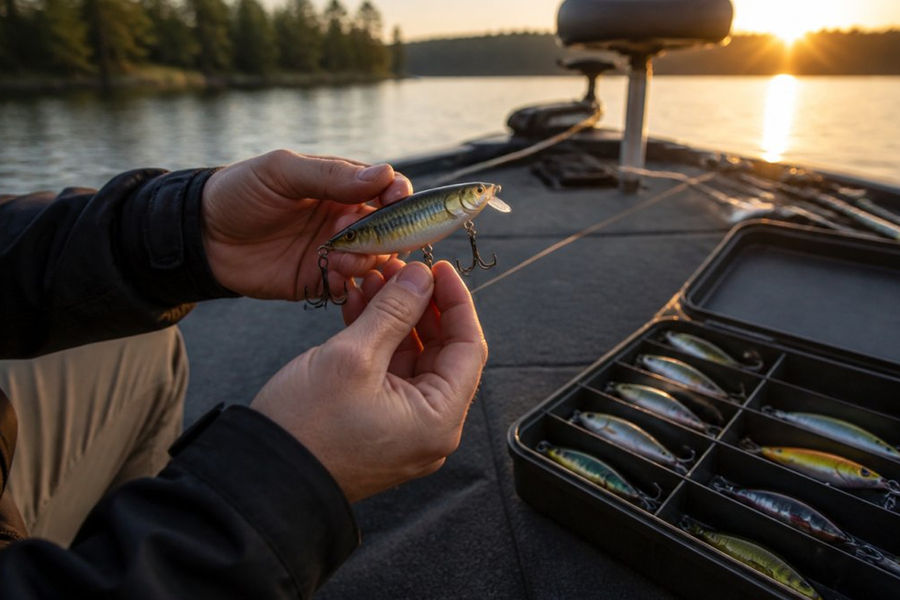
Where Megabass wins is consistency. Two of the same lure model from the same production run track and fall the same way, which is not true of cheaper hard baits. Their rods carry premium price tags, and that is the honest drawback: you pay for the engineering, and replacement parts or repairs often mean going through a dealer rather than a big-box return counter. Buy from a shop that actually stocks the brand and can help you if something goes wrong.
2. Daiwa: Precision JDM Fishing Reel Brands and Rods
Daiwa earns its place among the top JDM fishing reel brands for one reason above all: drag and gear refinement at every price tier. The company's engineering philosophy favors smooth, consistent drag pressure and tight gear meshing, which translates to fewer lost fish on long runs and less wobble after a season of hard use.
Their rod lineup covers finesse spinning through heavy baitcasting, with Japan-market models offering tapers and actions you simply cannot get in the domestic catalog. A common mistake is buying a JDM Daiwa reel and pairing it with a rod that does not match its intended technique. Match the reel's gear ratio and drag range to the rod's lure weight rating, and the combo will outperform anything off the shelf.
Pro Tip When importing a JDM Daiwa reel, confirm the model uses a standard spool size you can source line for locally. Some Japan-only spools are shallow and take lighter line than most American bass anglers run.
3. Shimano: Reliable JDM Fishing Rod Brands and Reels
Shimano is the safest entry point into JDM gear because the brand's service network is the strongest of any Japanese manufacturer. If you want JDM fishing rod brands and reels with parts availability you can actually count on, Shimano's domestic and Japan-market lines share enough engineering DNA that support is rarely a headache.
The Japan-market reels often get features a year or two before they reach American shelves, and the rods are built with actions tuned for finesse fishing and baitcasting techniques that demand precision. Durability is the brand's calling card. These are not the lightest or flashiest rods on the rack, but they hold up to seasons of use and hold their resale value better than most.
4. Jackall, deps, and Evergreen: The Best JDM Bass Lures
If you want the best JDM bass lures for pressured fish, this trio covers most of what you need. Jackall builds hard baits and soft plastics with actions tuned for specific retrieve speeds. deps is known for swimbaits and finesse presentations that trigger wary bass. Evergreen rounds out the group with hard baits and terminal tackle built for durability.
What separates these brands from mass-market lure makers is tuning. A Jackall crankbait runs true out of the package and stays true after a season of banging off rocks. deps soft baits hold their rigging better than cheaper plastics, which means fewer baits torn off on the hookset. Evergreen's hard baits carry hook quality you notice the first time you bury one in a bass's jaw.
The tradeoff is availability. Popular colors and sizes sell out fast, and restocks can take time. Buy from a dealer that stocks deep and tells you honestly what is on the shelf versus what is on backorder.
5. Gamakatsu, Raid Japan, and Tackle House: Terminal Tackle and Niche Builders
Terminal tackle is where JDM brands quietly outperform. Gamakatsu hooks are the standard many tournament anglers reach for because the wire, point geometry, and temper hold up under heavy pressure. Hook quality is not glamorous, but it is the difference between landing a kicker and losing it at the boat.
Raid Japan and Tackle House fill the niche builder role. Raid Japan focuses on finesse and specialty presentations, while Tackle House covers saltwater-influenced designs that cross over well for freshwater fishing. These are not the brands you build an entire arsenal around, but they are the ones that solve specific problems when standard offerings fall short.
Watch Out Skipping quality terminal tackle to save money on hooks is the most common false economy in bass fishing. A premium lure with a dull or weak hook loses fish just as fast as a cheap lure with a good hook.
JDM vs Domestic Models: What Actually Changes
The honest answer is that the gap depends on the platform. Some Japan-market models are near-identical to their domestic counterparts; others differ in ways that matter on the water. Competitors tend to wave at this distinction without explaining it. Here is what actually changes, and how to match a brand to the fishing you do.
What changes most consistently
Model selection. Japan-market catalogs carry colors, tapers, gear ratios, and sizes that never reach the U.S. lineup. This is the real reason to import: not that the JDM version is inherently better, but that the exact configuration you want may only exist there.
Feature timing. Japan-market reels often get a feature a season or two before it appears domestically. That can mean a lighter spool, a different drag washer stack, or a handle configuration tuned for local fishing pressure.
Spool depth and line capacity. Japan-market spools are frequently shallower, sized for the lighter lines common in finesse fishing. Pair one with heavy American bass line and you may not fit enough on the spool.
Handle and knob configuration. Handle length and knob shape vary by market and are a common source of 'this feels different' feedback.
What changes least
Core engineering. A Daiwa or Shimano reel is built to the same fundamental standards regardless of which market it ships to. The platform, the gear materials, and the drag design are usually shared. What differs is the trim, the configuration, and the support path.
Factor | JDM Version | Domestic Version |
Model selection | Broader, includes Japan-only colors and tapers | Limited to U.S. catalog |
Features | Sometimes leads by a season | Follows JDM release |
Spool and line capacity | Often shallower, lighter-line oriented | Tuned for common U.S. line weights |
Warranty | Tied to market of original sale; often paid repair | Local service network |
Parts | Model-specific; confirm path before buying | Domestic parts supply |
Price | Varies with exchange rate, shipping, duties | Set by U.S. retail |
Matching brands to fishing style and target species
The gap most competitor lists miss is use-case matching. A 'top rated' brand is only top rated for a particular job. A practical mapping:
Bass, power and reaction fishing: Megabass and Daiwa reward anglers who want precision and are willing to pay for it. Jackall and Evergreen cover hard baits and terminal tackle for pressured fish.
Bass, finesse: Daiwa's Japan-market spinning reels and Raid Japan's specialty presentations are built for light line and slow presentations. Confirm spool depth before pairing with American finesse line.
Swimbaits and big-bait presentations: deps is the reference point for swimbaits and finesse presentations that trigger wary bass.
Trout and light freshwater: Shimano's Japan-market spinning reels and rods are the safest entry point because the service network is the strongest of any Japanese manufacturer.
Saltwater and crossover: Tackle House covers saltwater-influenced designs that cross over well for freshwater fishing.
Terminal tackle: Gamakatsu hooks are the standard many tournament anglers reach for because the wire, point geometry, and temper hold up under heavy pressure.
Beginner-friendly brand selection
Newcomers should optimize for support, not exotic configurations. The practical first-purchase order:
Shimano for reels and rods, because the domestic and Japan-market lines share enough engineering DNA that parts and service are rarely a headache.
Daiwa for reels once you know the technique you are rigging for; match the reel's gear ratio and drag range to the rod's lure weight rating.
Gamakatsu for hooks, where the quality difference is immediate and the import risk is low.
Jackall for a first hard bait or soft plastic, because the tuning is consistent out of the package.
Save the Japan-only tapers, shallow spools, and niche builders for after you have a support path you trust.
Best For Anglers who chase specific techniques and need exact model configurations will get the most value from JDM versions. Casual weekend anglers are usually better served by domestic models with local warranty support and a known parts path.
Where to Buy JDM Tackle Without the Guesswork
Buying JDM tackle online comes down to more than a flashy homepage. The questions that actually determine whether you save money or lose it are: does the shop stock what it lists, how does it ship fragile gear, what does the total landed cost look like after shipping and duties, and who answers when something arrives damaged or needs a part? Competitors list brand names and store links; this section walks through the mechanics so you can compare any retailer on equal terms.
The total landed cost, not the sticker price
A Japan-market reel listed at a lower price than its domestic counterpart can cost more by the time it reaches your door. Build a simple landed-cost estimate before you commit:
Item price in USD at the current exchange rate. Rates move; a quote from last month is not a quote today.
International shipping, which for a rod tube or a reel box can run from roughly $15 to $60 depending on carrier and speed. Rods are dimensional-weight items and are priced accordingly.
Duties and fees. Informal entries under $2,500 in value are generally cleared with a flat informal entry fee rather than a full formal entry, but the exact amount depends on the carrier and broker. Ask the shop who pays the broker fee and whether it is collected at delivery.
Payment and currency conversion fees, which many card issuers charge as a percentage of the transaction.
A common pattern is that a midrange JDM reel lands within 10-20% of the domestic price once shipping and fees are included, while a premium rod or a Japan-only color can still be worth importing because the domestic catalog simply does not offer it. Run the math per item rather than assuming JDM is always cheaper.
Customs, duties, and what the rules actually say
For personal imports, U.S. Customs and Border Protection (CBP) is the agency that clears the shipment. Two practical points most buyers miss:
De minimis: shipments valued at $800 or less are generally duty-free for personal use. Above that, duty applies based on the item's classification, and the carrier or broker usually collects it before delivery.
Fishing tackle classification: reels, rods, and lures fall under different Harmonized Tariff Schedule lines, and the duty rate varies by category. You do not need to memorize the codes, but you should ask the retailer whether they declare the item accurately. A shop that under-declares to save you duty is creating a risk you carry, not them.
CBP publishes the current de minimis threshold and import guidance at cbp.gov; the CBP guidance on importing personal shipments is the authoritative source if a carrier quotes you a fee you did not expect.
Warranty and parts: the hidden cost of importing
This is where the cheapest purchase becomes the most expensive one. A Japan-market Daiwa or Shimano reel is built to the same engineering standards as the domestic version, but warranty coverage is typically tied to the market of original sale. In practice:
Domestic warranty networks (Shimano and Daiwa both run U.S. service operations) generally cover products sold through authorized U.S. dealers. A reel bought from a Japanese retailer may be serviced, but often as a paid repair rather than a warranty claim.
Parts availability is the bigger long-term issue. Reel parts such as spools, drag washers, and handles are model-specific. Before you buy a Japan-only model, confirm that the part you are most likely to need (usually a spool or a handle) is either shared with a domestic model or stocked by the dealer.
Rods are the highest-risk import. A broken rod tip on a Japan-only blank can mean shipping the rod back internationally or writing it off. Ask about the shop's damage policy in writing before the order ships.
Watch Out A Japan-market reel with no U.S. parts path can cost more over five years than a domestic model at a higher sticker price. Price the part you are most likely to need before you price the reel.
A practical first-purchase sequence
Confirm the exact model number, not just the brand and general description. JDM and domestic versions of the same platform often share a name but differ in gear ratio, spool depth, or handle configuration.
Ask whether the item is in stock or on backorder before you pay. Popular JDM colors and sizes sell out and restock slowly.
Get the shipping and damage policy in writing, including who pays return freight on a damaged rod.
Verify the parts path for reels before committing, especially for Japan-only models.
Start with one or two items to test the shop's packing and communication before a large order.
Keep the commercial invoice and tracking until the item is in hand and inspected; you will need them if a claim is necessary.
For disputes over an online order, the Better Business Bureau guidance on online purchase disputes and the Federal Trade Commission's online shopping guidance explain your rights if a package arrives damaged or misrepresented.
At Pine State Tackle, we ship free on domestic orders over $99, stock the largest Megabass and Geecrack selection in the Northeast, and carry the largest 6th Sense inventory on the East Coast. As a US Army veteran-owned shop, we answer questions the way we would want them answered: straight, with no upsell, and with the model number and parts path confirmed before you pay.
Conclusion: Matching the Right JDM Brand to Your Fishing
The right brand depends on what you actually fish. Megabass and Daiwa reward anglers who want precision and are willing to pay for it. Shimano is the safest all-around choice with the strongest support network. Jackall, deps, and Evergreen cover your lure needs, while Gamakatsu and the niche builders solve the specific problems that cost you fish.
The harder challenge is buying with confidence: knowing what is in stock, what ships safely, and who stands behind the order. That is where Pine State Tackle comes in. We stock the largest JDM selection in the Northeast, ship free on orders over $99, and back every order with the kind of service you would expect from a veteran-owned shop. Download our app to check live inventory and get your next trip dialed in before you hit the water.
Frequently Asked Questions
What does JDM mean in fishing tackle?
JDM stands for Japanese Domestic Market. It refers to fishing tackle made by Japanese companies and sold primarily inside Japan, including models, colors, and sizes that never reach U.S. shelves. Brands like Megabass, Daiwa, and Shimano release JDM-only versions with different finishes, gear ratios, or tuning. For bass anglers, JDM tackle often means access to colors and actions that pressured fish have not seen, plus build quality held to Japanese market standards. The catch is that you usually need a specialist dealer to get authentic gear.
Are JDM fishing rods and reels worth the price?
For dedicated bass anglers, often yes. JDM fishing rod brands and JDM fishing reel brands tend to focus on sensitivity, balance, and drag consistency, which matter when you are fishing finesse presentations or fighting fish around cover. The tradeoffs are higher cost, import fees, and limited warranty coverage compared with domestic models. If you fish weekends only, a mid-range domestic rod may serve you fine. If you fish tournaments or chase pressured bass, the performance gap in rod action and reel drag system is real and worth the investment.
Which JDM brands are best known for bass fishing?
Megabass, Daiwa, Shimano, Jackall, deps, and Evergreen are the names most associated with bass fishing in the JDM world. Megabass is famous for hard baits and high-end rods, Daiwa and Shimano dominate reels, and Jackall and deps produce some of the best JDM bass lures for finesse and power fishing. Gamakatsu covers hook quality and terminal tackle, while Raid Japan and Tackle House fill niche roles. A well-rounded bass box usually pulls from three or four of these brands rather than just one.
Where can you buy authentic JDM fishing tackle?
Authenticity is the main risk when buying JDM tackle online. Specialist dealers that stock Japanese-market gear directly are the safest route, and veteran-owned shops like Pine State Tackle carry a deep JDM selection alongside brands like Megabass, Geecrack, and 6th Sense. Check that the retailer stocks the specific colors and sizes you need rather than listing everything as backorder. Free domestic shipping thresholds, like orders over $99, also help offset cost when you are buying several lures or a rod at once.
Download our App!

Comments