

5 Best JDM Lures for Pressured Bass
Last Updated: November 2, 2026
Quick Summary
The best JDM lures for pressured bass are small, natural, subtle baits such as the Megabass Ito Vision 110, Megabass Gong, OSP Dolive Beaver, Teckel Goodpecker and Hideup Coike. Pressured fish ignore loud, oversized baits, so choose a lure by water clarity, depth and cover, then fish it slowly.
Pressured bass often ignore loud, oversized baits they have seen repeatedly.
Lengthen the pause on the Ito Vision 110 when fish follow but refuse.
Dolive Beaver works best dragged slowly with long pauses rather than hopped.
Match lure size and color to your water clarity before buying JDM lures.
On pressured water, go smaller, slower and more natural when in doubt.
Table of Contents
Pressured bass are some of the hardest fish to catch, and anglers often find that the same lures stop working over time. Bass that see the same lures week after week learn to ignore the flash and noise that worked on their first encounter. Choosing the right JDM lures for pressured bass comes down to presentation, profile and timing rather than brute attraction.
Heavily fished lakes and rivers create a predictable pattern. Bass associate loud, bright, oversized baits with danger, so they hold off while the angler keeps casting. Switching to a more natural, subdued offering often changes the outcome within a few casts.
What Makes a Lure JDM and Why It Matters on Pressured Water
JDM stands for Japanese Domestic Market, the term for tackle designed and sold in Japan. These lures often feature tighter tolerances, subtle action and finishes that suit clear, heavily pressured water. Many anglers find that a finely tuned lure with a small, natural profile gets bites where a bulkier bait gets ignored.
Watch out: buying a JDM lure without checking the specific size and color for your water clarity often leads to disappointment, since the fish may simply not see it.
The 5 Best JDM Lures for Pressured Bass
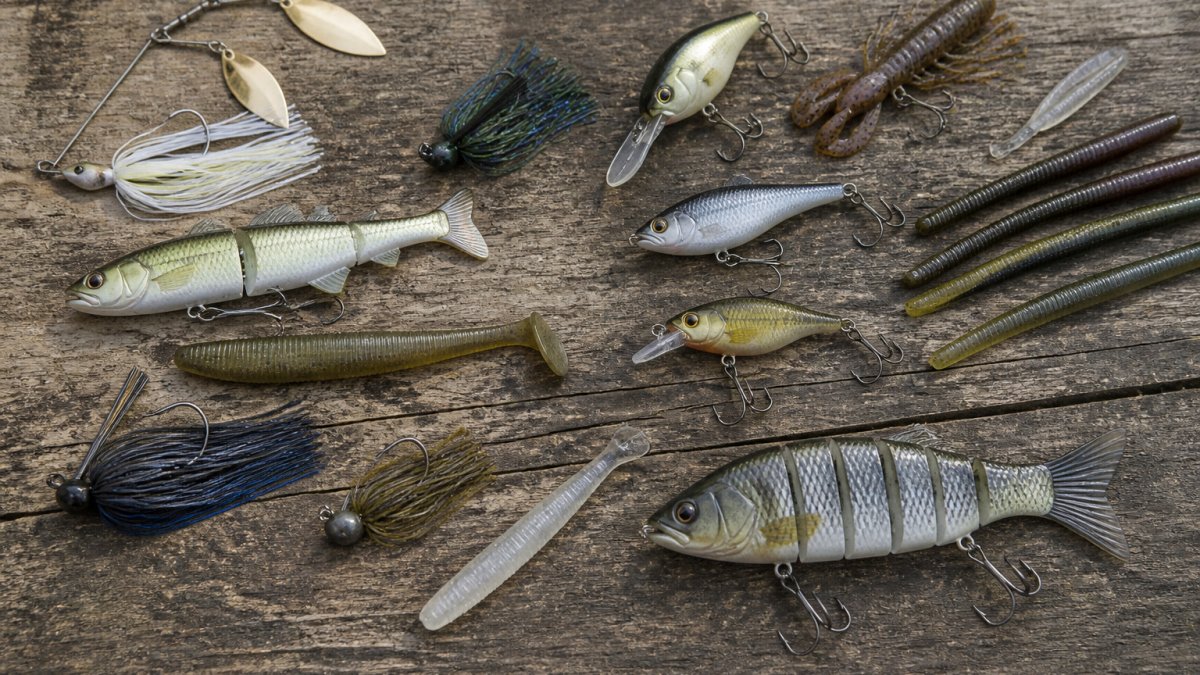
The picks below are chosen for subtle presentations suited to cautious fish. Each entry covers what the lure is, the exact size and color to start with, how to rig and retrieve it, and the pressure conditions where it earns its place. Match the bait to the water in front of you rather than carrying all five.
Japanese Fishing Tactics | JDM Tackle & Rigs
1. Megabass Ito Vision 110
The Vision 110 is a suspending jerkbait. Its suspending design means that when you stop the lure, it hangs in the water rather than rising or sinking quickly.
Start with: a natural shad or ghost minnow pattern in clear water; switch to a matte or translucent baitfish tone under bright skies.
Rigging: 8-10 lb fluorocarbon on a medium-power casting rod, or 10-12 lb fluoro on spinning tackle for distance in clear water. Swap factory hooks for a slightly lighter treble if you want a slower, more neutral hang.
Retrieve: two or three sharp twitches, then a pause of 3-5 seconds. On heavily pressured fish, lengthen the pause until you feel the bite on the hang rather than the twitch.
Pressure fit: best in 4-10 ft over grass edges, points, and bluff walls when fish are suspended and clear water lets them inspect the bait.
Best for: cold-to-spring pressured bass in clear water. Skip if: you need a fast reaction bait for stained water or heavy wind.
2. Megabass Gong
The Gong is a compact hard bait with a subdued action.
Start with: natural perch, ayu, or clear-water shad tones; step to a darker craw tone around wood.
Rigging: 8-10 lb fluorocarbon, medium-light casting or spinning. Keep the rod tip down and the line tight so you feel the tick on the pause.
Retrieve: short, deliberate cadence, two or three small pulls, then let it hang 2-4 seconds.
Pressure fit: best around dock edges, laydowns, and rock when fish are pinned tight and unwilling to chase.
Best for: anglers working cover and structure. Skip if: you prefer a bigger profile to draw fish from distance.
3. OSP Dolive Beaver
The Dolive Beaver is a compact soft plastic built around a natural, bottom-hugging profile. A slow bottom crawl with subtle appendage movement is one approach anglers use on heavily fished lakes.
Start with: green pumpkin, watermelon, and natural brown tones in clear water; darker craw tones in stained water.
Rigging: weightless Texas rig for shallow grass and wood; a 1/8-3/16 oz tungsten bullet weight for deeper rock and ledge work. A 3/0-4/0 offset hook covers most situations.
Retrieve: drag it, don't hop it. Slow, steady bottom contact with long pauses lets the bait sit and the appendages breathe, - Pressure fit: best in 2-12 ft around rock, wood, and grass lines when fish are glued to bottom and refusing moving baits.
Best for: finesse fishing around rock, wood and grass. Skip if: you want to cover large areas quickly.
4. Teckel Goodpecker
The Goodpecker is a compact hard bait suited to a subtle, controlled retrieve in clear water.
Start with: translucent and natural baitfish patterns; clear-water shad and ghost tones.
Rigging: 6-8 lb fluorocarbon on spinning tackle for clear water and long casts.
Retrieve: short, controlled pulls with brief pauses, keep the bait in the strike window rather than ripping it out. Vary pause length until you find the cadence fish respond to that day.
Pressure fit: best in clear water over flats, points, and grass edges when fish are visible and spooky.
Best for: clear water and sight-feeding fish. Skip if: you need a bait that triggers reaction strikes from a distance.
5. Hideup Coike
The Coike suits patient, methodical retrieves and slow presentations.
Start with: natural brown, green, and translucent tones; darker shades in low light.
Rigging: light Texas or finesse presentation with minimal weight so the bait falls naturally and stays in contact with bottom.
Retrieve: keep it close to the bottom or structure and vary your pauses until you find what the fish want that day. Slow drags with long stops beat constant motion on wary fish.
Pressure fit: best on deep structure, ledge edges, and hard-bottom areas where fish are negative and you need to grind out bites.
Best for: anglers who enjoy slow, detailed presentations. Skip if: you prefer fast-moving, high-noise lures.
Pro Tip On heavily pressured water, the pause is the presentation. Lengthening the pause is one adjustment anglers can try when fish follow and refuse.
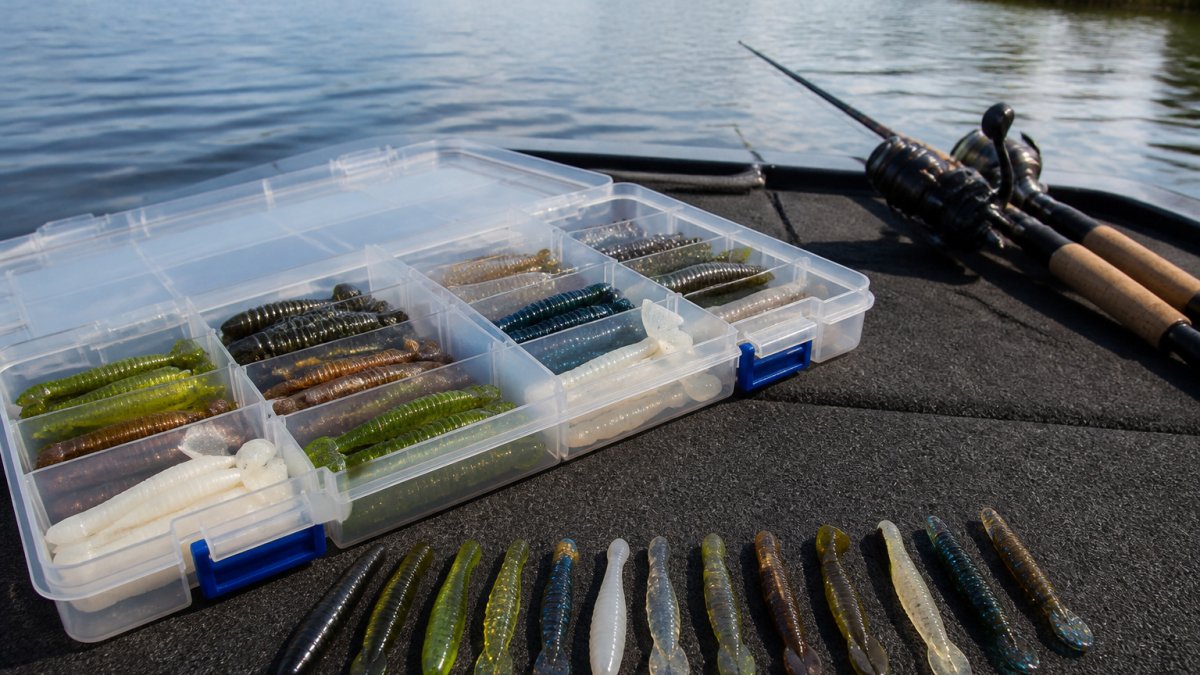
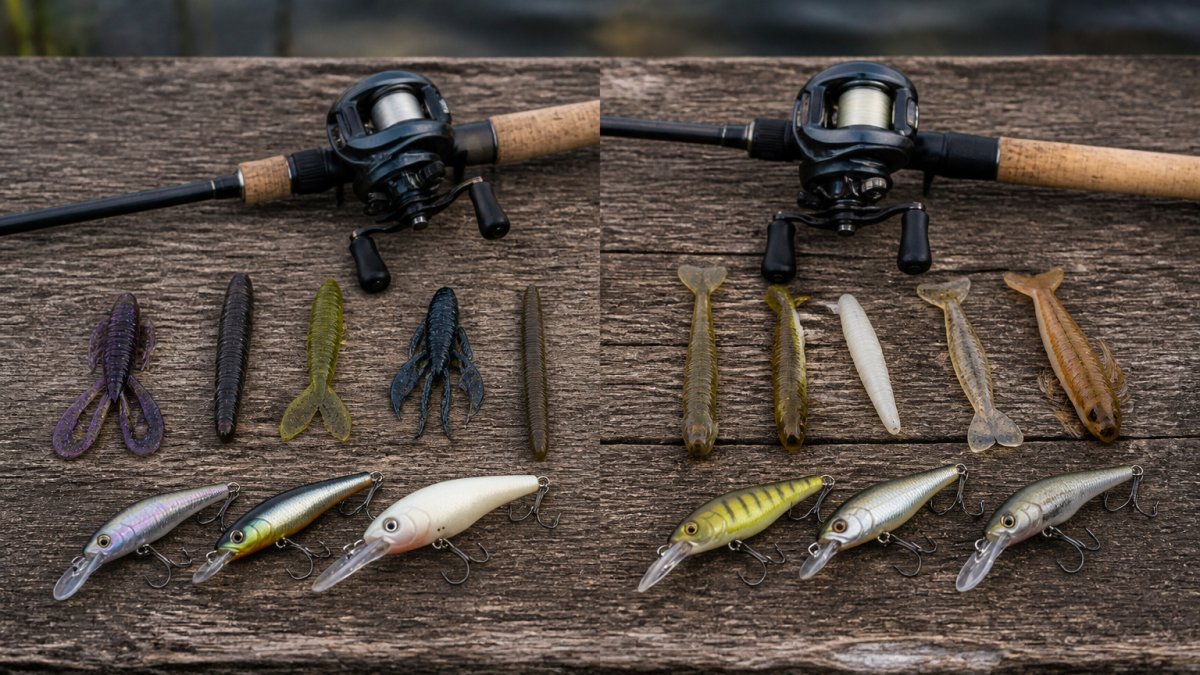
Watch Out JDM lures are often sold in sizes and colors tuned for clear Japanese reservoirs. Before buying, confirm the size and color match your water clarity and forage; a bait that is perfect in gin-clear water can disappear in stained water. ::: Maintaining this level of precision requires organized lure storage solutions that protect delicate finishes and keep your specialized tackle ready for the next outing. JDM Soft Plastics for Bass That Have Seen Everything Soft plastics remain effective on pressured water because they can mimic natural forage closely. JDM-style soft baits often use subtle shapes and realistic movement that help them blend into the environment. Rigging them light and fishing them slowly tends to produce better results on fish that have seen plenty of hard baits. Best Colors for Pressured Bass in Clear Water In clear water, natural and muted colors generally outperform bright, unnatural ones. Greens, browns and translucent shades that resemble local forage are a common starting point. Adjust toward darker tones on overcast days and lighter, more natural shades in bright sun. Choosing Lures by Pressure, Clarity, Depth and Cover Most lists stop at naming lures. The useful part is deciding which of the five to tie on before you make the first cast. Use the four conditions below as a quick decision guide, read them in order and let the first one that applies narrow your choice. Angler casting slim JDM lures toward a lake weedline at sunrise Step 1: Read the pressure Heavy pressure (fish follow and refuse, clear water, weekend crowds): start with the smallest, most natural presentation, the Ito Vision 110 on a long pause, the Dolive Beaver dragged slowly, or the Coike on deep structure. Subtle beats aggressive here. Moderate pressure (fish still chase but short-strike): the Gong and Goodpecker earn their place, compact enough to avoid spooking fish, active enough to trigger a reaction. Light pressure (fish have not seen much tackle): you can lean on the Vision 110's twitch-and-pause and cover more water; save the slow bottom baits for when the bite tightens. Step 2: Read the clarity Clear water (you can see bottom in 4+ ft): natural, translucent, and muted colors; fluorocarbon leaders; longer pauses. The Goodpecker and Vision 110 in ghost and shad tones are the first calls. Stained water (1-3 ft visibility): darker craw and baitfish tones, a little more action, and a bait that displaces water, the Gong and a weighted Dolive Beaver. Muddy water (under 1 ft): slow down and go to bottom-contact baits with dark profiles; the Coike and weighted Dolive Beaver keep the bait in front of fish that cannot see far. Step 3: Read the depth Shallow (0-6 ft): weightless Dolive Beaver over grass and wood; Goodpecker over flats; Vision 110 over grass edges. Mid-depth (6-15 ft): Vision 110 on points and bluff walls; Gong around dock edges and laydowns. Deep (15 ft+): Coike and weighted Dolive Beaver on ledges and hard bottom, slow, bottom-contact presentations that keep the bait in the strike zone. Step 4: Read the cover Grass: weightless or lightly weighted soft plastics that slide through; a jerkbait worked over the top rather than through it. Wood and rock: compact hard baits (Gong, Goodpecker) and Texas-rigged soft plastics that can be worked tight without constant snagging. Open water and points: the Vision 110's suspending action and the Goodpecker's precise retrieve cover water without spooking suspended fish. When in doubt on pressured water, go smaller, slower, and more natural.
Match the lure to the conditions in front of you using these quick reference points from the guide above.
Condition | Lure pick | Key adjustment |
Heavy pressure | Ito Vision 110, Dolive Beaver, Coike | Smallest, most natural presentation |
Moderate pressure | Gong, Goodpecker | Compact but active |
Light pressure | Ito Vision 110 | Twitch and pause, cover more water |
Clear water | Goodpecker, Vision 110 | Natural colors, fluorocarbon leader |
Stained water | Gong, weighted Dolive Beaver | Darker tones, more action |
Muddy water | Coike, weighted Dolive Beaver | Slow bottom-contact baits |
Shallow (0-6 ft) | Weightless Dolive Beaver, Goodpecker | Work grass, wood and flats |
Deep (15 ft+) | Coike, weighted Dolive Beaver | Slow presentations in strike zone |
Megabass Lures for Bass: Where to Start Your Next Trip
If you are new to Megabass, start with a small selection that covers a jerkbait, a compact hard bait and a soft plastic. Pine State Tackle carries Megabass lures for bass, so you can browse the available options and choose what fits your local water. Check current availability and pricing directly on our site, since prices depend on the product and any applicable shipping terms.
Frequently Asked Questions
What are the best lures for pressured bass?
Pressured bass tend to respond best to small, natural-profile baits that look like their normal forage and can be fished slowly. Suspending jerkbaits, finesse jigs, small paddle tails and compact crankbaits are reliable choices. The right pick depends on water clarity, depth and how much cover is available, so match the bait to those conditions before casting.
Do JDM lures work better for pressured bass?
JDM lures are not magic, but their subtle actions, tight tolerances and natural colors often suit pressured fish well. Many anglers find that a slower, more finesse-oriented presentation with a Japanese-designed bait draws strikes where louder, heavier lures get ignored. The advantage comes from how you fish them, so pair the lure with a patient retrieve.
What size lure should I use for pressured bass?
Smaller lures in the 2 to 4 inch range usually outperform large baits on heavily pressured water. Downsizing keeps the profile close to the natural forage bass are used to seeing. Start with a smaller bait, and only go bigger if fish are actively chasing or the water is stained and you need more vibration to get noticed.
What colors work best for bass in clear, pressured water?
In clear water, natural and subdued colors such as green pumpkin, shad patterns and translucent tones tend to look most believable to bass. Brighter colors can work on overcast days or in stained water. Choose a color that resembles the local forage, and change it when the fish stop responding.
Ready to build your pressured-bass kit? Visit Pine State Tackle to compare JDM lures and find the presentations that work on your water.
Comments