

How to Choose Bass Fishing Colors for Any Water Condition
Last Updated: November 1, 2026
Quick Summary
Choose bass fishing colors by water clarity first. In clear water, use natural tones that match local forage such as green pumpkin or shad patterns. In stained or muddy water, switch to bold, high-contrast or dark colors like chartreuse, firetiger, or black.
Clear water favors natural colors such as green pumpkin, watermelon, and realistic shad patterns.
Stained water calls for chartreuse, firetiger, or other high-contrast combinations.
Muddy water works best with dark profiles like black or junebug, or loud colors.
Deeper water flattens color, so silhouette, flash, and vibration matter more than hue.
Test one color at a time over at least 15 to 20 casts before deciding it fails.
Table of Contents
Most anglers spend far too long agonizing over lure color. Many anglers stand in front of a wall of soft plastics asking which shade will catch the most bass. The honest answer is that color is one variable among several, and it matters most in specific conditions.
Bass feed mainly on what they can see and what moves in front of them. Presentation, depth, speed, and the lure's profile often matter more than its exact hue.
How Water Clarity Affects Bass Lure Color
Water clarity is the single biggest factor in whether color matters. In clear water, bass can see colors and fine detail from a distance, so natural patterns that mimic real prey tend to earn more strikes. In stained or muddy water, visibility drops sharply, and bold contrast or vibration does more of the work than subtle color.
Clear water: Natural tones such as green pumpkin, shad patterns, and realistic baitfish colors
Stained water: Darker silhouettes, chartreuse, or high-contrast combinations
Muddy water: Loud colors, dark profiles, and lures that create vibration or flash
Choosing Colors for Clear Water
In clear water, start with natural colors that match what bass eat locally. Green pumpkin, watermelon, and realistic shad patterns cover most situations. Keep your color choices simple and match the hatch when you can.
Choosing Colors for Stained and Muddy Water
When visibility is limited, bass rely more on the lure's silhouette and the vibration it sends through the water. Dark colors such as black or junebug create a strong outline. Chartreuse and firetiger patterns add contrast that stands out in murky conditions. Pick one bold color and fish it confidently.
Natural vs. Bright Bass Lure Colors: When Each One Wins
Natural colors tend to win when the water is clear, the sky is bright, and bass are feeding on specific prey. Bright or high-visibility colors tend to win when the water is dingy, the light is low, or bass are reacting rather than feeding carefully. Both approaches catch fish. The key is knowing which situation you are in.
Here is a quick guide:
Natural colors work best: Clear water, bright sun, pressured fish, shad-feeding bass
Bright colors work best: Stained water, overcast skies, aggressive reaction strikes
Dark colors work best: Muddy water, low light, dusk and dawn
How Sunlight, Cloud Cover, and Depth Change Your Color Choice
Light is the variable most anglers underestimate. Color is not a fixed property of a lure, it is what a bass's eye registers after light has traveled through water, scattered off particles, and been filtered by depth. Change the sky or drop the lure five feet, and the same bait can read completely differently to a fish.
What actually happens to color underwater
Water absorbs light wavelengths at different rates. Red and orange are absorbed first, which is why a red crankbait fished deep can read as brown or near-black. Yellow and green penetrate further, and blue travels deepest in clear water.
A useful rule of thumb most guides follow: the dirtier and deeper the water, the less the exact shade matters and the more the lure's profile, flash, and vibration matter.
Sunlight and cloud cover
Bright sun, clear water: Light penetrates deeply and bass can see fine detail. Natural, translucent, and baitfish-matching colors look most lifelike. High-glare days can also make bass more cautious in shallow water, so lighter, more natural tones often outperform loud ones.
Overcast skies: Diffuse light reduces contrast and softens shadows. Bolder colors, darker profiles, and lures with flash or a strong silhouette tend to stand out better than pale naturals.
Low light (dawn, dusk, storm fronts): Bass rely more on silhouette and movement. Dark colors such as black, junebug, and dark green pumpkin, plus lures with vibration or a wide wobble, give fish a clearer target.
Depth and the water column
Depth compounds everything above. A lure that looks chartreuse on the deck can lose its punch past 10-15 feet in stained water. Two practical adjustments:
Shallow (roughly 0-8 feet): Color and detail are visible. Match forage and use natural patterns in clear water; add contrast in dirty water.
Mid-depth (roughly 8-15 feet): Hue starts to flatten. Favor colors with strong value contrast, dark backs, bright sides, or a distinct silhouette, over subtle shade differences.
Deep (roughly 15 feet and beyond): Treat color as secondary to profile, flash, and vibration. Dark silhouettes, UV-enhanced finishes, and rattling or vibrating lures help bass locate the bait. Blue and green tones hold up better than reds and oranges at depth in clear water.
Pro Tip Before you tie on a new color, ask which variable actually changed: sky, depth, or water clarity. Adjust one at a time so you learn what your water responds to.
Lure-type adjustments for light and depth
Soft plastics: In clear shallow water, natural green pumpkin and watermelon; deeper or dirtier, switch to junebug, black, or a bold laminate.
Crankbaits: Match baitfish patterns in clear water; in stained or deep water, favor chartreuse, firetiger, or craw patterns with strong flash.
Jigs and creature baits: Dark silhouettes (black, junebug) in low light and muddy water; green pumpkin and brown in clear water around crawfish.
Key Takeaway Sunlight, cloud cover, and depth all change what a bass can see. Fish natural and detailed in bright, clear, shallow conditions; fish bold, dark, and high-contrast as light fades, clouds build, or depth increases.
Matching Bass Fishing Colors to Local Forage and Baitfish
The most reliable color clue is the forage in your lake or river. If the main baitfish are silver shad, a shad-pattern lure makes sense. If crawfish dominate, reach for brown, green pumpkin, or orange-tinted lures.
Watch the water for clues. Look at what bass are chasing and what anglers on your water catch fish on. A few minutes of observation often beats hours of guessing.
Bass Lure Color Selection Chart: A Decision Guide by Condition and Lure Type
Most color advice stops at "natural for clear, bright for dirty." That is a starting point, not a decision. The chart below combines the four variables that actually drive color choice, water clarity, light, depth, and forage, and pairs each condition with starting colors by lure type. Use it as a dock-side reference, then verify on the water.

Quick-reference color chart
Water clarity | Light / depth | Forage cue | Soft plastic | Crankbait | Jig / creature | Spinnerbait | Topwater |
Clear | Bright sun, shallow | Shad | Green pumpkin, watermelon, shad | Natural shad, ghost | Green pumpkin, brown | Nickel blade, natural skirt | Shad, translucent |
Clear | Overcast, mid-depth | Shad / craw | Watermelon, green pumpkin | Shad with flash | Green pumpkin, brown | Gold or nickel blade | Natural frog, shad |
Stained | Any, shallow to mid | Craw / bluegill | Junebug, black-blue flake | Chartreuse, firetiger | Black-blue, brown-orange | Chartreuse or white skirt | Dark frog, black |
Muddy | Low light, shallow | Craw | Black, junebug, dark red | Chartreuse, firetiger, dark | Black, black-blue | Dark or painted blade | Black, loud |
Deep | Low light, 15+ ft | Shad / craw | Dark green pumpkin, junebug | Deep-diving shad, blue-green | Dark brown, black | Dark skirt, painted blade | Not applicable |
Step-by-step decision tree
Check clarity. Look at a submerged object, your trolling motor prop, or your hand at arm's length. If you can see it clearly at 3+ feet, call it clear. If it fades between 1 and 3 feet, call it stained. If it disappears before 1 foot, call it muddy.
Note the light. Bright sun, overcast, or low light (dawn, dusk, storm).
Note your depth. Shallow (0-8 ft), mid (8-15 ft), or deep (15+ ft).
Identify the dominant forage. Shad, bluegill, crawfish, or something else. Match the general size and profile first, then the color.
Pick a starting color from the chart for your lure type.
Fish it for a fair test, at least 15-20 casts through productive water, before changing color.
Change one variable at a time. If color does not produce, change depth or presentation before changing color again.
Pro Tip Photograph the chart on your phone or print it and keep it in the boat. The goal is a 30-second decision, not a 30-minute debate at the tackle counter.
Color starting points by lure type
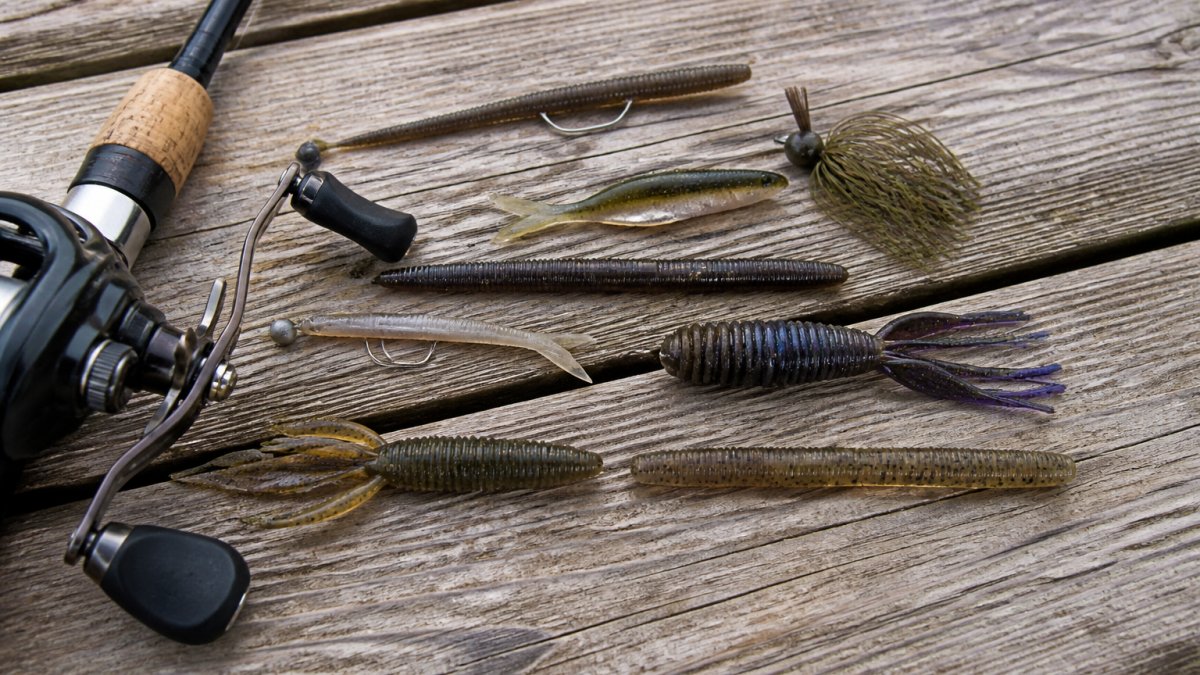
Soft plastics: Green pumpkin and watermelon are the most versatile natural choices; junebug and black-blue flake are the most versatile dark choices. Add a bold laminate (chartreuse tail, chartreuse dip) for stained water.
Crankbaits: Match shad or craw patterns in clear water; use chartreuse, firetiger, and craw patterns in stained and muddy water. Deep divers benefit from blue-green and dark shad patterns.
Jigs and creature baits: Green pumpkin and brown for clear water crawfish imitations; black-blue and junebug for low light and dirty water.
How to test whether color is actually the variable
Color gets blamed for a lot of bad presentations. A simple controlled test separates the two:
Pick one lure model, size, and presentation.
Fish color A through a productive stretch, counting strikes and tracking depth and speed.
Switch to color B on the same stretch, keeping depth, speed, and cadence identical.
Record conditions: clarity, light, depth, and forage seen.
Repeat across a few outings before drawing a conclusion.
Most practitioners find that location, depth, and speed account for more bites than color alone. The test tells you whether color is the variable that matters on your water, or whether you should be adjusting something else.
Key Takeaway Use the chart to pick a starting color fast, then test it like a scientist: one variable at a time, enough casts to be fair, and notes on conditions. That is how you build a color system for your water instead of collecting guesses.
Testing Whether Color Is Actually Catching Bass on Your Water
Color is easy to blame when fish do not bite. Test it with a simple method. Fish the same lure, presentation, and spot with two different colors and track which one gets more strikes.
Watch out: switching colors every few casts can hide the real problem. Give each color a fair test before deciding it does not work. Presentation speed and depth often matter more than color, so adjust those first.
Stocking Your Tackle Box with the Right Colors from Pine State Tackle
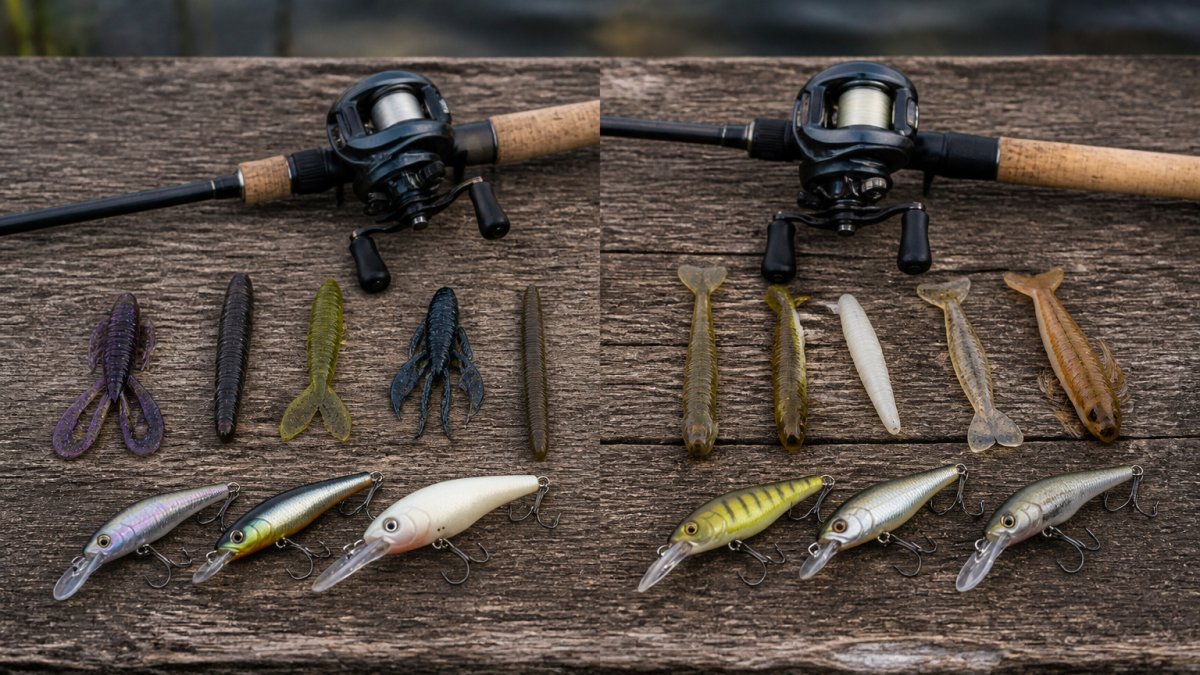
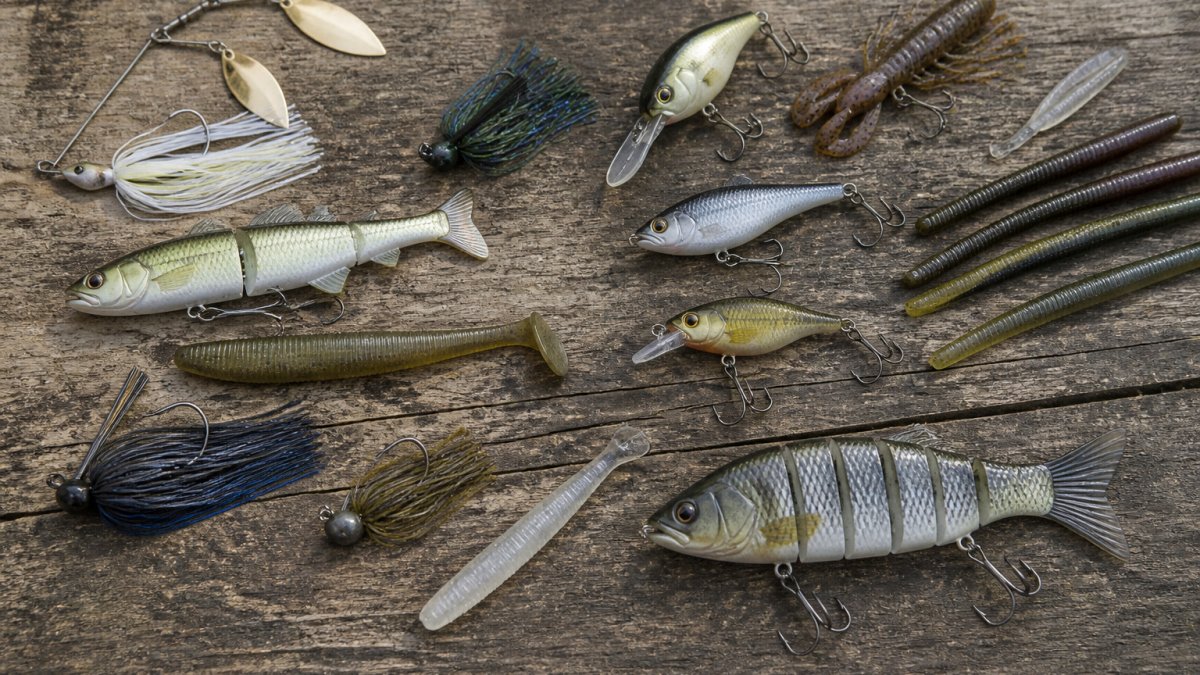
A small, well-chosen color selection covers most conditions. Start with two natural colors, two bold colors, and one dark option. This setup handles clear, stained, and muddy water without overloading your box.
Pine State Tackle carries Megabass, Geecrack, and 6th Sense lures, so you can find patterns that fit your local water. Visit our website or contact us for current availability and a quote on the lures you need.
Frequently Asked Questions
What color lure is best for bass fishing?
No single color wins everywhere. Natural patterns such as green pumpkin and shad tones are dependable starting points in most lakes because they mimic common forage. Bright or high-contrast colors such as chartreuse and firetiger earn their place in stained or murky water, on cloudy days, or when you need a lure to stand out. Start with a natural color matched to your water clarity, then switch to a brighter option if bass ignore it after a fair test period.
What color should I use for bass in clear water?
In clear water bass can see more detail, so natural colors that closely resemble local baitfish usually produce best. Shad patterns, green pumpkin, and translucent natural tones are strong choices. Clear water is also where subtle presentation matters more than flash, so pair your color with a slower retrieve and a lighter line when conditions allow. Avoid overly bright colors unless bass are clearly reacting to them.
What lure colors work best in muddy water?
Muddy water cuts visibility sharply, so bass rely more on vibration, sound, and silhouette than on fine detail. Dark colors such as black and dark purple create strong contrast against a light background, while chartreuse and white stand out well against dark murky water. Choose larger profiles and louder lures when visibility is very low, and move to brighter colors if the water is only lightly stained.
Does lure color matter when bass fishing?
Color matters most when light, water clarity, and forage combine to make a particular pattern more visible or more convincing to bass. In very clear or very muddy water, color choice can change how easily bass see your lure. In many other conditions, presentation, depth, and location affect results more than color does. Test a few colors under the same conditions to see whether color is making a measurable difference on your water.
Comments