

7 Best Finesse Baits for Pressured Bass
Last Updated: October 25, 2026
Quick Summary
The best finesse baits for pressured bass are Ned rig plastics, drop-shot plastics, finesse jigs, small swimbaits, and finesse jerkbaits, ranked by subtlety and strike-zone control. Ned rigs and drop-shot setups dominate when pressure is extreme because their slow fall and minimal input trigger inspection bites from skeptical fish.
Ned rig plastics like Z-Man Finesse TRD rank first for highest subtlety-to-versatility ratio in 2-15 ft depths.
Drop-shot rigs with flat worms or minnows provide best strike-zone control and depth precision in 8-35 ft.
Use 6-8 lb monofilament or 8 lb fluorocarbon line; heavy line telegraphs movement and reduces bites.
Most finesse bites occur on the fall or pause, not the retrieve; retrieve too fast and you negate finesse advantages.
Match bait size to pressure: throw 2.5-inch baits when bass are skeptical instead of standard 4-inch baits.
Table of Contents
Understanding Fishing Pressure and Why Finesse Baits Work
Quick Comparison: Finesse Baits for Pressured Bass
How to Catch Pressured Bass: Bait Selection and Rigging Fundamentals
Best Baits for Pressured Pond Bass: Soft Plastics and Small Profiles
Finesse Fishing Rigs for Bass: Hook Sizes, Weights, and Line Specifications
Ned Rig Setup
Drop-Shot Setup
Finesse Jig Setup
Small Swimbait Setup
Finesse Jerkbait Setup
Finesse Bait Colors for Clear Water and Low-Light Conditions
Common Finesse Fishing Mistakes and How to Avoid Them
Building Your Finesse Bass Arsenal at Pine State Tackle
Frequently Asked Questions
Understanding Fishing Pressure and Why Finesse Baits Work
Fishing pressure is real. When bass see the same lures repeatedly, they become cautious, reject baits they'd normally crush, hide deeper, and stop feeding predictably.
Finesse baits work because they're smaller, subtler, and imitate natural forage pressured fish haven't learned to fear, triggering strikes when conventional lures produce only follows and refusals.
Finesse rigs demand precision: hook size, line weight, and retrieve speed all compound.
Quick Comparison: Finesse Baits for Pressured Bass
This comparison ranks the five finesse bait categories that consistently produce pressured bass, scored on subtlety, strike-zone control, snag resistance, and versatility. Use the rank as a starting point, then match the bait to your cover, depth, and clarity.
Rank | Bait Category | Example Baits | Best Cover | Depth Range | Clarity | Rigging | Why It Ranks Here |
1 | Ned rig plastics | Z-Man Finesse TRD, Z-Man Fuzzy TRD | Open rock, gravel, sparse grass | 2-15 ft | Clear to stained | 1/16-1/8 oz Ned head, 1/0 hook | Highest subtlety-to-versatility ratio; slow fall and minimal input trigger inspection bites |
2 | Drop-shot plastics (flat worms, minnows) | Berkley PowerBait MaxScent Flat Worm, Great Lakes Finesse Drop Minnow | Rock, brush, docks, deep structure | 8-35 ft | Clear to stained | 1/0-2/0 drop-shot hook, 1/8-1/4 oz weight, 12-18 in leader | Best strike-zone control; keeps bait suspended above wary fish |
3 | Finesse jigs | Compact 1/4-3/8 oz finesse jigs with small trailers | Rock, wood, docks | 5-25 ft | All conditions | Direct cast, drag or hop | Best cover contact and snag resistance; less subtle than Ned or drop-shot |
4 | Small swimbaits | 2-3 in paddle-tail and boot-tail swimbaits | Open water, grass edges | 3-20 ft | Clear to murky | 1/0 hook, 1/8-3/16 oz head or drop-shot | Best for covering water and triggering reaction strikes; less effective on lockjaw fish |
5 | Finesse jerkbaits | 3-4 in suspending jerkbaits | Open water, points, flats | 3-12 ft | Clear to stained | Cast and twitch, 8-10 lb fluorocarbon | Best for aggressive pressured fish; least effective when fish are neutral or negative |
How to read the ranking. Ranks 1 and 2 are the workhorses when pressure is high and fish are inspection feeders. Rank 3 is the choice when fish hold tight to rock or wood. Ranks 4 and 5 are situational: throw them when baitfish activity is visible or a front has fish chasing but not committing.
Pro Tip When pressure is extreme, skip Rank 4 and 5 entirely. The added action of a swimbait or jerkbait can be a negative trigger on fish that have seen those profiles repeatedly.
Selection criteria explained. Subtlety measures how little the bait moves without angler input; pressured bass often strike on the fall or pause, so baits that look natural at rest score higher. Strike-zone control measures how long the bait stays in front of a suspended fish; drop-shot wins here. Snag resistance favors jigs around rock and wood, and versatility measures how many conditions one bait handles without a rigging change. Subtlety and strike-zone control are weighted most heavily because they separate finesse from standard presentations.
How to Catch Pressured Bass: Bait Selection and Rigging Fundamentals
Pressured bass demand a different approach: you're triggering bites from suspicious fish, which requires downsized presentations and subtle action that feels natural.
hookedupwi
Start with bait size. Most anglers throw baits that are too large. A 4-inch worm works when bass are hungry.
Line choice determines everything else. Light line lets baits fall naturally; heavy line telegraphs every movement.
Rigging determines presentation.
Best Baits for Pressured Pond Bass: Soft Plastics and Small Profiles
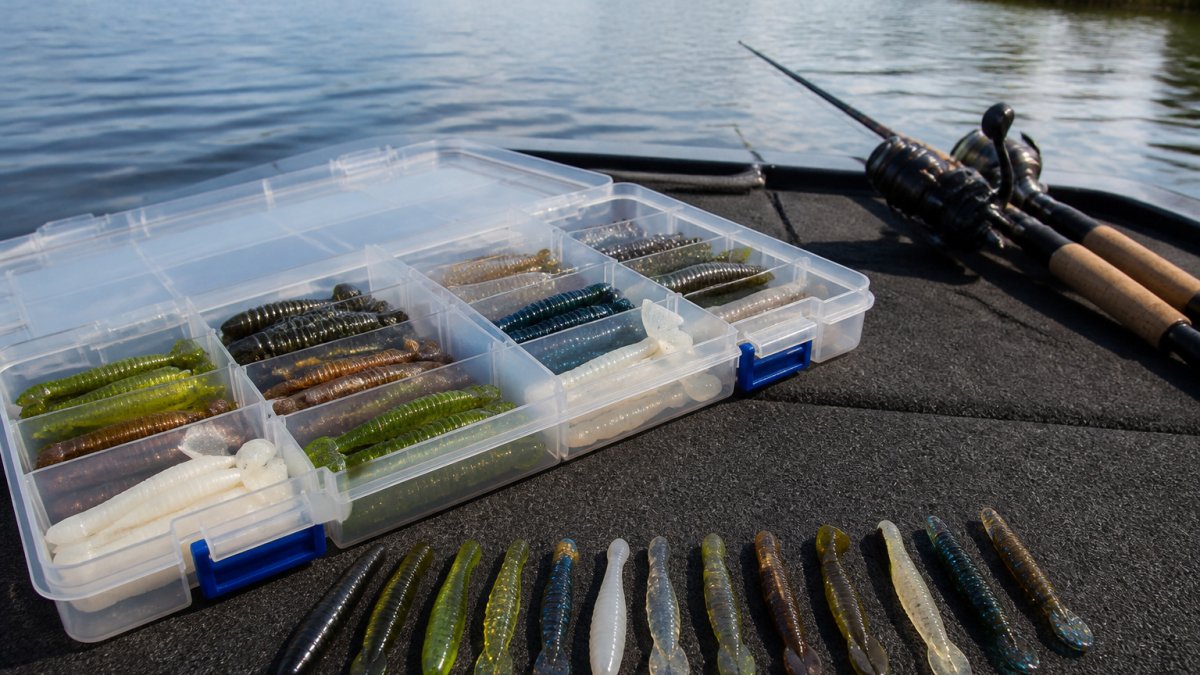
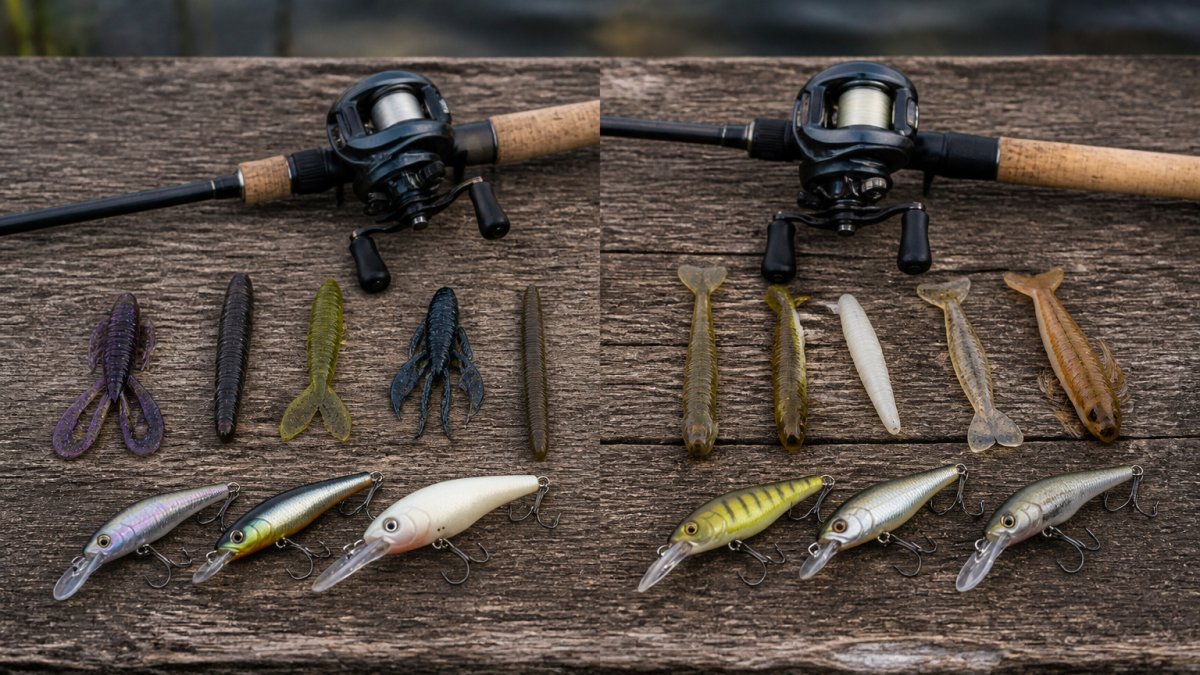
Soft plastics dominate finesse fishing because they feel natural.
Ned Rig Plastics are the foundation. Pressured bass respond consistently. Explore our wide range of fishing equipment online, where quality meets affordability. Shop fishing equipment online at Pine State Tackle today!
Flat worms like the Berkley PowerBait MaxScent Flat Worm offer a different silhouette.
Minnow-style baits such as the Berkley Gulp! Minnow and Great Lakes Finesse Drop Minnow provide reactive strikes.
Small swimbaits from Megabass deliver subtle action with minimal effort.
The Z-Man Fuzzy TRD and other TRD variants are proven performers in summer when pressure peaks.
Finesse Fishing Rigs for Bass: Hook Sizes, Weights, and Line Specifications
A finesse bait only works if the rig lets it fall and move naturally. Purchase the Gamakatsu G-Finesse Hybrid Worm Hook designed for pressured bass rigging.
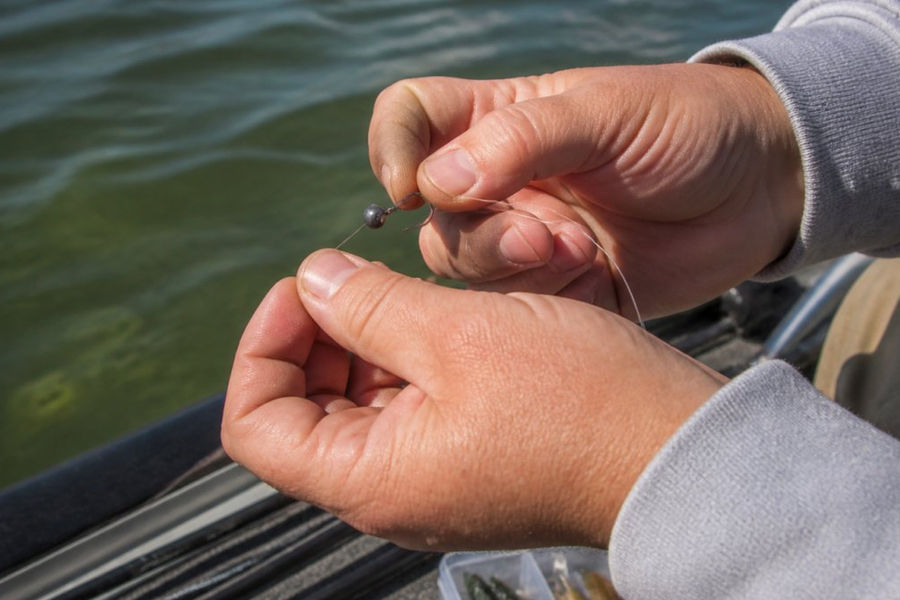
Ned Rig Setup
Bait: 2.5-3 in Ned plastic (Z-Man Finesse TRD, Fuzzy TRD)
Hook/Head: 1/16-1/8 oz Ned head with a 1/0 hook; use 1/10 oz in 8-15 ft, 1/16 oz in 2-8 ft
Line: 6-8 lb monofilament or 8-10 lb braid to a 6 lb fluorocarbon leader
Drop-Shot Setup
Bait: Flat worm (Berkley PowerBait MaxScent Flat Worm) or minnow-style bait (Great Lakes Finesse Drop Minnow)
Hook: 1/0-2/0 drop-shot hook; size 1 for 3 in baits, 2/0 for 4 in baits
Weight: 1/8-1/4 oz drop-shot weight; 3/16 oz is the all-around choice in 10-20 ft
Leader: 12-18 in between hook and weight; shorten to 8-10 in when fish are tight to bottom
Finesse Jig Setup
Bait: Compact 1/4-3/8 oz finesse jig with a small craw or chunk trailer
Hook: Built-in hook, typically 2/0-3/0; match trailer size to hook gap
Line: 10-12 lb fluorocarbon for abrasion resistance around rock and wood
Retrieve: Drag along bottom with short hops; keep the jig in contact with cover. Pause after each hop.
Small Swimbait Setup
Bait: 2-3 in paddle-tail or boot-tail swimbait
Hook/Head: 1/0 hook on a 1/8-3/16 oz head, or nose-hook on a drop-shot
Line: 8-10 lb fluorocarbon
Retrieve: Slow steady reel with occasional rod-tip sweeps; on drop-shot, let it fall and swim on the lift.
Finesse Jerkbait Setup
Bait: 3-4 in suspending jerkbait
Hook: Replace trebles with size 8-10 finesse trebles if the stock hooks are heavy
Line: 8-10 lb fluorocarbon
Retrieve: Two or three sharp twitches, then a 3-5 second pause; vary pause length until you find what triggers follows.
Watch Out Undersized hooks bend under pressure and oversized hooks tear soft plastics and reduce bites. Match hook size to bait size first, then adjust weight and line. When pressure is extreme, downsize hook, weight, and line together rather than changing only one.
Line trade-offs. Monofilament falls more naturally and is the default for Ned rigs; fluorocarbon offers lower visibility and better abrasion resistance for drop-shot and jig setups; braid with a fluorocarbon leader gives the best sensitivity at distance but adds a connection knot that can fail if tied poorly. For most pressured-bass situations, 6-8 lb monofilament or 8 lb fluorocarbon covers it.
Weight selection by depth. Use 1/16 oz in 2-8 ft, 1/8 oz in 8-15 ft, and 3/16-1/4 oz in 15-30 ft. Add weight only when you cannot feel bottom or wind prevents contact; heavier weight speeds the fall and reduces the subtle presentation that triggers finesse bites.
Finesse Bait Colors for Clear Water and Low-Light Conditions
Color selection changes with water clarity. In low-light conditions, contrast matters more. Learn more about soft plastic color selection for different water clarity conditions.
Clear Water Strategy demands natural colors that match local forage.
Add subtle contrasts. A watermelon bait with a pearl belly creates visual separation without appearing unnatural.
Low-Light Conditions (dawn, dusk, cloudy days, stained water) call for contrast and visibility.
Stained Water sits between clear and low-light. These colors remain visible without appearing unnatural. Discover how to select lures for murky water conditions when finesse fishing pressured bass.
The Hideup Coike Shrimp and similar specialty baits work because color selection is already optimized for specific conditions.
Common Finesse Fishing Mistakes and How to Avoid Them
Mistake 1: Casting Too Far. Distance feels productive but isn't.
Mistake 2: Retrieving Too Fast. Finesse baits are designed for slow presentations. A fast retrieve negates everything finesse offers. Slow down.
Mistake 3: Using Line Too Heavy. This is the biggest finesse killer.
Mistake 4: Ignoring Water Clarity. Color matters. Don't throw a bright chartreuse bait in crystal-clear water expecting results.
Mistake 5: Staying on One Bait Too Long. If a bait isn't producing after 10 minutes, switch. Finesse fishing requires adaptation. Change colors, profiles, or rigging. Pressured bass respond to variety.
Building Your Finesse Bass Arsenal at Pine State Tackle
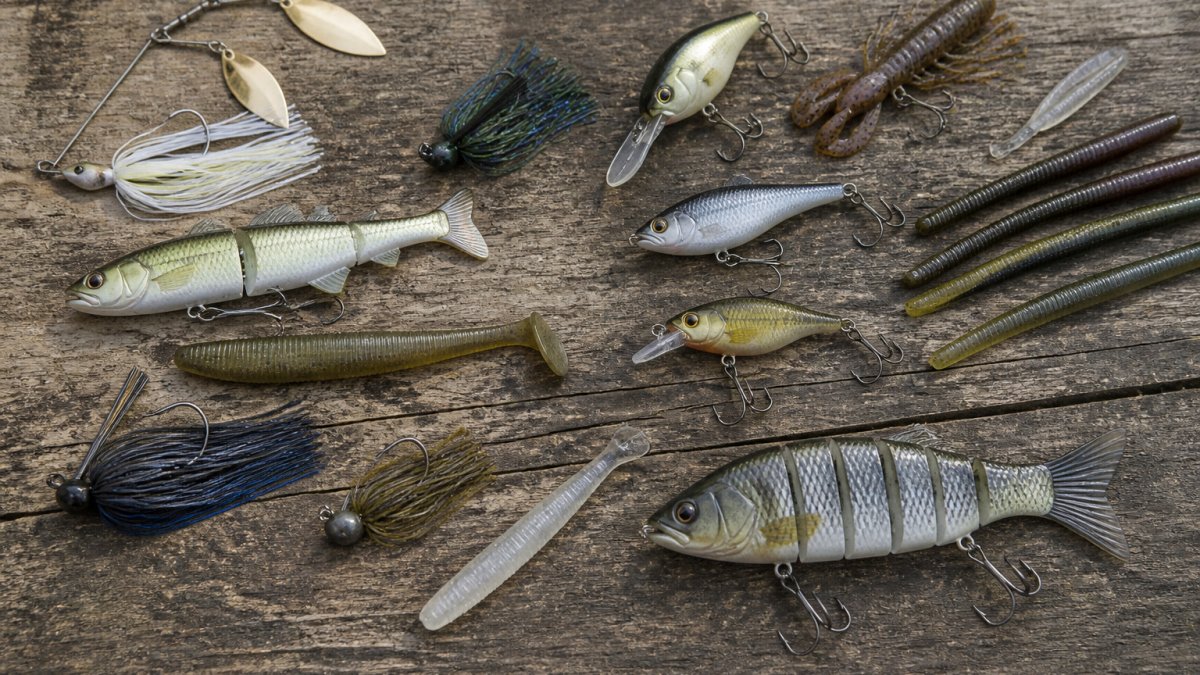
A complete finesse arsenal of the best finesse baits for pressured bass doesn't require dozens of baits, just the right ones in the right colors.
We stock the brands that deliver results: Megabass, Geecrack, 6th Sense, and our own uniquely manufactured lures.
Free domestic shipping on orders over $99 means you can build your arsenal without worrying about shipping costs. Our wholesale availability on all Pine State Tackle products makes it easy to stock up. Explore top soft plastic options specifically for smallmouth bass, a common pressured species.
The finesse baits that work aren't always the most popular; they're the ones that match conditions and trigger bites from skeptical fish.
Start with finesse. Build your arsenal around proven baits. Adjust based on conditions.
Frequently Asked Questions
What are the best finesse baits for pressured bass in clear water?
In clear water, pressured bass respond to natural colors like green pumpkin, watermelon, and pearl. Soft-plastic worms on drop-shot rigs, Ned rig presentations with small jigheads, and downsized swimbaits all work well. The key is matching forage imitation with a subtle retrieve and light line (4-6 lb test) that doesn't spook wary fish. Experiment with slow fall rates and minimal action.
How do you fish for highly pressured bass using finesse presentations?
Pressured bass require downsized baits, light weights, and patient retrieves. Use soft-plastic worms rigged on drop-shot rigs or Ned rigs with small jigheads (1/16 to 1/8 oz). Fish slower than you think necessary, working cover like rocky bottom and shallow water methodically. Cast beyond your target, let the bait fall naturally, and use minimal rod movement. Finesse fishing rigs for bass demand precision and subtlety over aggression.
What's the difference between a Ned rig and a drop-shot rig for finesse bass fishing?
A Ned rig uses a small jighead (typically 1/16 to 1/8 oz) with a soft-plastic trailer, presenting a compact profile near the bottom. A drop-shot rig places the weight at the end of the line with the hook tied above it, allowing the bait to suspend and hover. Drop-shot rigs excel in deeper water and over rocky bottom, while Ned rigs work better in shallow cover and require less finesse technique. Both are effective for pressured bass in different scenarios.
How do finesse bait colors affect your catch rate in different water clarity conditions?
In clear water, natural colors like green pumpkin, watermelon, and pearl allow pressured bass to inspect the bait closely without suspicion. In murky water, darker colors (black, dark blue, purple) and high-visibility options create contrast. Finesse bait colors for clear water should match local forage and avoid bright, unnatural hues. Adjust your color selection based on water clarity, time of day, and seasonal forage availability for better results.
What hook size and line weight should I use for finesse fishing pressured bass?
Use light line (4-6 lb test fluorocarbon) with small hooks (size 1/0 to 2/0) and ultra-light jigheads (1/16 to 1/8 oz). These specifications reduce visibility and allow natural bait presentation. For drop-shot rigs, tie your hook 12-24 inches above a small split shot or weight. For Ned rigs, match your jighead weight to water depth and current. Lighter setups demand more finesse technique but reward you with more bites from wary, pressured bass.
Pressured bass demand precision. The baits you choose, the rigging you use, and the colors you throw determine success. Pine State Tackle provides the finesse baits and expert curation you need to catch wary fish consistently. Download our App to browse our complete finesse selection and build your arsenal with access to premium brands and fast, reliable shipping.
Download our App!
Add pinestatetackle.com as a preferred source on Google →
Comments