

Which Bass Lures Work Best in Northeast Waters?
Quick Summary
The best bass lures for Northeast waters depend on the season and water conditions. In spring, match the lure to the prespawn, spawn, or postspawn stage, while cold water favors slow finesse soft plastics like the Z-Man Finesse TRD. For smallmouth in rivers and rocky shorelines, use finesse jigs, tube jigs and drop-shot worms.
Match lures to water temperature and spawn stage, not just the calendar month.
Carry a jerkbait, a spinnerbait or swim jig, and a soft plastic rigged and ready in spring.
Use a 1/4- to 3/8-oz finesse jig with a craw trailer in river seams for smallmouth.
In clear, pressured water, scale down to smaller baits, natural colors and slower retrieves.
Match forage: silver swimbaits for alewives or smelt, dark craw imitations where crayfish dominate.
Table of Contents
Last Updated: October 27, 2026
The best bass lures for Northeast waters are not the same as the ones that dominate Florida or Texas lakes. Cold springs, stained rivers, rocky shorelines and sudden weather shifts all change what bass will strike. This guide explains when each lure category makes sense.
Why Northeast Bass Fishing Demands Different Lure Choices
Northeast bass fisheries run through a short, unpredictable season. Water temperatures can swing 20 degrees in a week during spring, and many lakes turn over in the fall. Bass respond to those shifts by moving between depths and cover, so a lure that worked last Saturday may be useless today.
Clarity also varies widely. Some ponds run crystal clear, while many rivers and reservoirs carry tannin or runoff stain. Lure color, vibration and profile all need to match that visibility. Forage is another factor. Northeast bass feed heavily on alewives, golden shiners, sunfish, crayfish and smelt, so imitating local baitfish gives you a real edge.
The goal below is practical: match the lure to the water in front of you.
Quick Comparison: Top Bass Lures for Northeast Waters
Quick Picks:
Best all-around: Booyah Blade Double Willow Spinnerbait, a strong search bait for stained water and changing conditions.
Best finesse option: Z-Man Finesse TRD, recommended for Ned-rig presentations in clear, pressured water.
Best topwater: Rapala Skitter Pop, a popper that starts around $10.69 and works well in warm, calm conditions.
Lure | Type | Starting Price | Best For | Pros | Cons |
Booyah Blade Double Willow Spinnerbait | Spinnerbait | Not listed in our research | Stained water, search fishing | Top overall pick in one bass guide | Current price and specs not verified |
Z-Man Finesse TRD | Finesse soft plastic | Not listed in our research | Ned rig, pressured fish | Named best Ned lure in a bass guide | Size and color options not verified |
Rapala Skitter Pop | Topwater popper | $10.69 | Warm, calm surface action | Clear lure style, reported price | Size and color details not verified |
Best Bass Lures for Spring Transitions and Early Season
Spring in the Northeast is not one season, it is three or four short windows stacked on top of each other, and the lure that wins in the first week of prespawn often gets ignored by the time fish move onto beds. The single biggest edge you can give yourself is matching the lure to the water temperature and the stage of the spawn, not to the calendar month.
Prespawn (roughly 45-55°F): Bass stage on the first drop-off or secondary point adjacent to spawning flats. This is jerkbait and lipless-crankbait water. A suspending jerkbait in a shiner or perch pattern, worked with long pauses, is the classic prespawn tool because fish are lethargic and will not chase. A 1/2-oz lipless crankbait ripped out of grass and allowed to fall on a tight line triggers reaction strikes from fish that will not eat a slow bait. Spinnerbaits still work, but downsize to a 3/8-oz double willow and slow-roll it along the first break instead of burning it.
Spawn (roughly 55-65°F): Fish move shallow and become highly cover-oriented. A Texas-rigged creature bait or a compact jig pitched to beds, dock posts, and wood is more reliable than a moving bait. A 3/8-oz flipping jig with a craw trailer in black-blue or green-pumpkin is a standard here. Soft-plastic stickbaits skipped under overhangs pick up fish that are guarding beds and will not chase.
Postspawn (roughly 65-70°F): The first push of fish back out of the shallows is where a swim jig and a squarebill shine. A 3/8-oz swim jig with a paddle-tail trailer in bluegill or shiner color covers water fast along the first contour outside the spawning flat. A squarebill cranked through shallow wood and rock deflects off cover and draws reaction strikes from fish that have just finished spawning and are feeding again.
Pro Tip Carry three rods rigged and ready in spring, one jerkbait, one spinnerbait or swim jig, one soft plastic. When a cold front drops water temps 5-8°F overnight, you can switch from a moving bait to a slow presentation without retying on the water.
A common pattern across Northeast lakes and ponds is that the prespawn window is short and the postspawn window is even shorter. If you only fish weekends, you may hit one and miss the other. Watch surface temps on your electronics and let the fish tell you which window you are in, if you are marking fish suspended off the first break, you are still prespawn; if you are seeing empty beds and fish grouped on the first contour outside, you are postspawn and should be throwing moving baits again.
Best Cold Water Bass Lures for Northeast Lakes and Ponds
Cold water changes bass behavior. Fish slow down, hold tighter to structure and strike less aggressively. Lures that stay in the zone longer and move slowly tend to produce better.
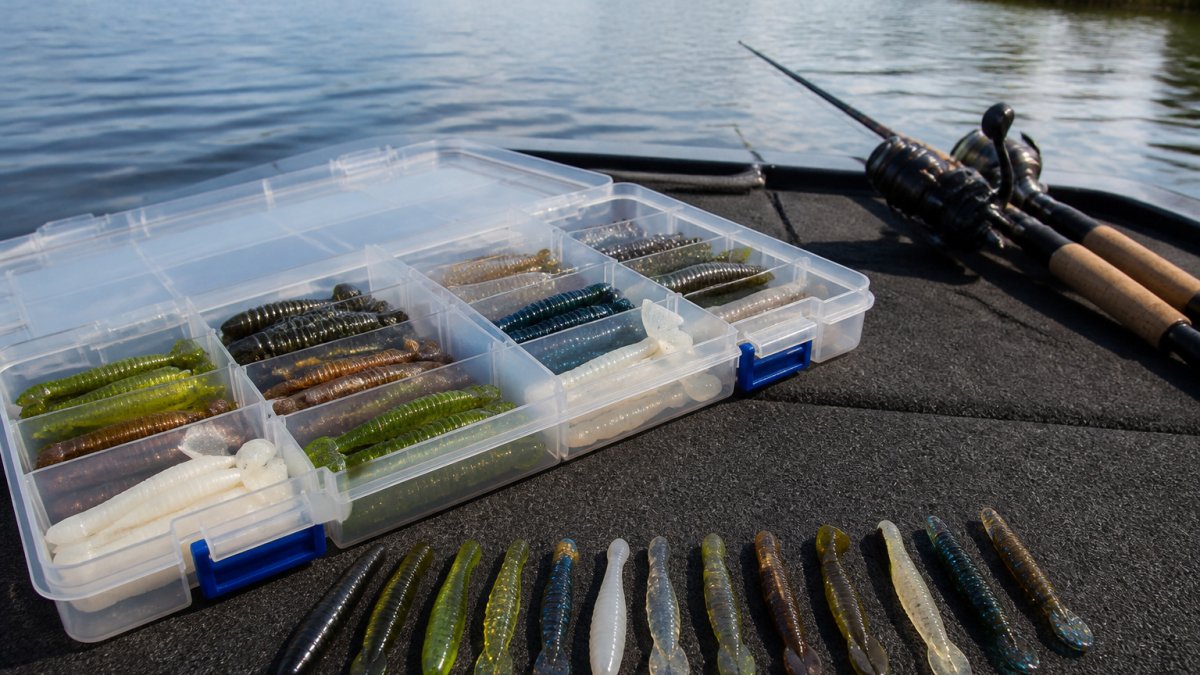
Finesse soft plastics fit this pattern well. The Z-Man Finesse TRD was singled out as the best Ned lure in a recent bass guide, and Ned rigs are built for slow, precise presentations over rock, gravel and drop-offs. A light jighead and a patient retrieve give cold-water bass a bait they can inspect without chasing.
Work the lure along the bottom at a deliberate pace. Pause often, and let it sit near structure. Many cold-water strikes come on the fall.
Best Smallmouth Bass Lures for Northeast Rivers and Rocky Shorelines
Smallmouth are the fish that separate a Northeast angler from a generic bass fisherman, and most national lure lists barely mention them. The region's rivers, clear glacial lakes, and rocky reservoirs hold fish that behave very differently from largemouth, they relate to current, rock, and crayfish, and they are far more willing to chase a fast-moving bait when the water is cold and clear.

River smallmouth: Current seams, eddies behind boulders, and the tailouts of pools are the strike zones. A 1/4- to 3/8-oz finesse jig with a craw or chunk trailer, hopped along the bottom through a seam, is the most reliable producer. A tube jig in smoke, green-pumpkin, or watermelon is the other river staple, drag it, do not hop it, and let the current carry it into the eddy. When fish are active, a 3/8-oz spinnerbait with Colorado blades slow-rolled through a seam triggers fish that will not eat a bottom bait. A small swimbait on a 1/4-oz head, cast upstream and allowed to swing down through the seam, is a strong search tool.
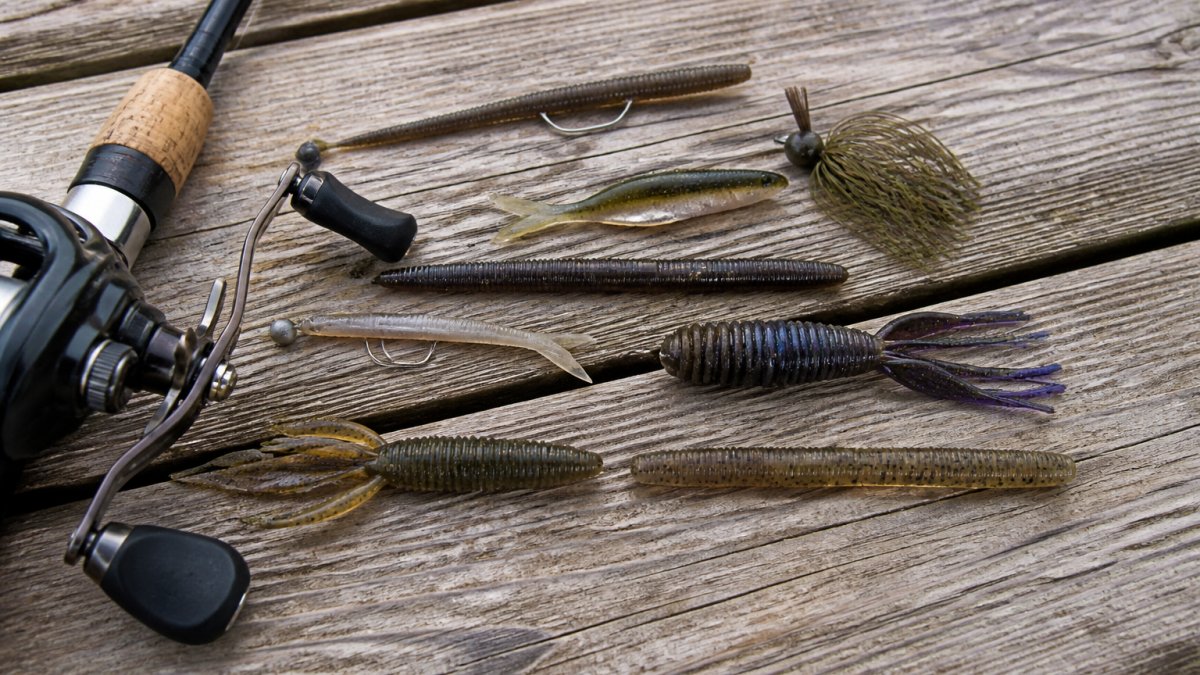
Clear-lake and reservoir smallmouth: These fish suspend off rocky points and main-lake humps, especially in summer and fall. A drop-shot with a 4-inch straight-tail worm in natural shad or smoke is the standard finesse presentation, 1/4-oz weight, 8-10 lb fluorocarbon, and a slow drag-and-shake retrieve. The soft plastic options for smallmouth cover which baits work best for these fish. A small football jig in brown or green-pumpkin dragged across rock transitions picks up bigger fish. In fall, when smallmouth push baitfish to the surface, a small walking topwater or a 4-inch swimbait burned across points produces explosive strikes.
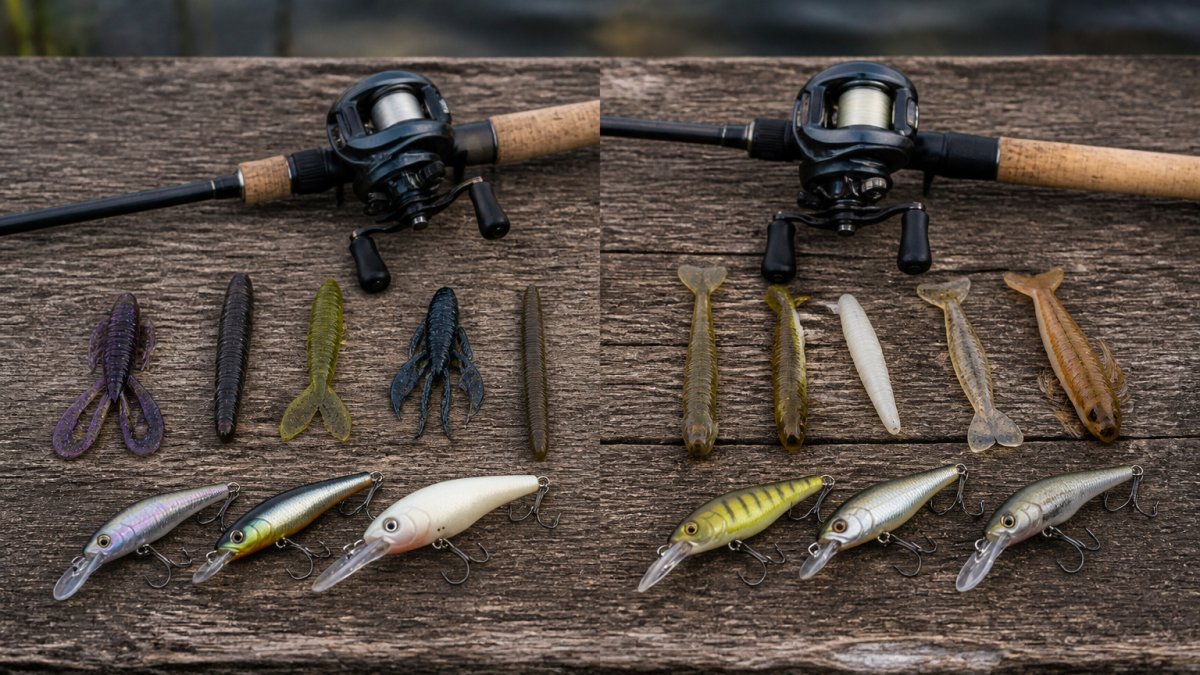
Crayfish and forage matching: Smallmouth in Northeast rivers eat crayfish heavily, so brown, orange, and dark-red craw imitations are not optional, they are the default. In lakes where alewives or smelt are the primary forage, silver and pearl swimbaits and jerkbaits match the hatch better than craw colors. Carry both color families and let the water tell you which one the fish want.
Key Takeaway Smallmouth reward speed and precision more than largemouth. Cast past the target, keep the bait in contact with rock or current, and do not be afraid to burn a moving bait in cold, clear water, smallmouth will chase when largemouth will not.
Tackle notes: A 6'10" to 7' medium-light spinning rod with 8-10 lb fluorocarbon covers most finesse smallmouth work; step up to a medium casting rod with 12-15 lb fluorocarbon for spinnerbaits and swimbaits around rock. Sharp hooks matter more here than anywhere else in bass fishing, smallmouth have hard mouths and will throw a dull hook on the first jump.
Best Bass Lures for Clear Water and Pressured Fish
Clear, pressured water is where finesse presentations earn their reputation. Bass in heavily fished lakes have seen plenty of flashy lures, so subtle baits often produce better results.
The Rapala Skitter Pop is useful when bass are willing to top water, especially in calm, early-morning or evening conditions. A popper creates a visible strike that can draw fish from cover.
For pressured fish, scale down. Smaller baits, natural colors and slower retrieves usually outperform loud presentations. Pine State Tackle offers a curated selection of JDM tackle.
Matching Your Lure Choice to Local Forage and Season, Then Getting Them Ready for the Water
Start with what the bass are eating. If you see alewives or shad breaking on the surface, use a bait with a similar profile and silver finish. If crayfish dominate the shoreline, pick a dark, crawling imitation.
Season matters too. Use spinnerbaits and bigger profiles in spring stain, switch to finesse baits in summer clarity, and go back to larger lures in fall when bass feed heavily before winter.
Once you have chosen your lures, prepare them before you leave the dock. The step-by-step rigging instructions walk through getting each lure ready on the water. Check hooks for sharpness, make sure split rings are tight, and confirm that soft plastics are rigged straight on the jighead. Carry a few colors and weights so you can adjust quickly. Local water conditions change fast, and a well-prepared tackle box lets you respond without guessing.
For current stock, sizes and pricing, check the Pine State Tackle website. Our free domestic shipping applies to orders of $99 or more, and wholesale availability is open on all PST products.
Frequently Asked Questions
What lures work best for bass in Northeast waters?
Northeast waters change sharply by season, so no single lure covers the year. Spinnerbaits and lipless crankbaits handle cold, stained water in spring, while jigs, tubes and soft plastics work the rocky bottoms and clear lakes common across Maine, New Hampshire and Vermont. Topwater poppers earn their place in warm summer evenings. Start with a small set matched to your local water and expand from there.
What are the best bass lures for spring in the Northeast?
Spring water in the Northeast often sits in the 40s and 50s, and bass move shallow to feed and spawn. Spinnerbaits with willow or Colorado blades produce well in stained water because they give off flash and vibration. Slow-rolled lipless crankbaits and soft plastic jerkbaits are also effective when fish are less aggressive. Work the shallow flats and warming banks where sun hits first.
What are the best lures for smallmouth bass in Northeast rivers?
Smallmouth bass in rivers and rocky lakes respond well to tube baits, drop-shot rigs with finesse worms, and small crankbaits that imitate crayfish and baitfish. Keep presentations compact and let lures tick along rock and gravel bottoms. Match colors to the local crayfish, often browns and oranges in New England waters, and use lighter tackle to get the most out of smaller fish.
What colors are best for bass lures in clear water?
In clear water, bass see lures well and can become wary, so natural colors usually outperform bright ones. Green pumpkin, watermelon and shad patterns mimic local forage and tend to draw strikes when water visibility is high. Downsize your lure and lengthen your pauses, since pressured fish often need a slower, subtler presentation before they commit.
Comments