

Best JDM Lures for Northeast Rivers: 2026 Guide
Table of Contents
Why JDM Lures Dominate Northeast River Fishing
Top JDM Lures for Northeast Rivers: Quick Comparison
Megabass Magdraft: Soft Plastic Dominance in River Systems
Best JDM Jerkbaits for Smallmouth in Cold Water
How to Choose JDM Hooks for River Lures
Where to Buy Megabass Gear and Premium JDM Tackle
Durability vs. Performance: What Northeast River Anglers Need to Know
Common Mistakes When Selecting JDM Lures for Rivers
Frequently Asked Questions
Last Updated: October 4, 2026
Why JDM Lures Dominate Northeast River Fishing
Japanese Domestic Market lures have earned their reputation among serious bass anglers, and for good reason. The best JDM lures for northeast rivers combine precision engineering with finesse designs that work in the specific conditions of cold-water systems and strong currents. These lures excel where standard domestic tackle falls short, in tight cover, shallow flats, and the unpredictable flow patterns that define Northeast river bass fishing.
Pine State Tackle stocks premium JDM brands like Megabass and Geecrack. What separates JDM construction from mainstream alternatives is the attention to weight distribution, buoyancy control, and action consistency. A JDM jerkbait tracks true at slow retrieve speeds. A soft plastic maintains its profile through dozens of casts. These aren't minor advantages, they're the difference between loading your cooler and going home empty.
The real draw for Northeast anglers: JDM lures handle cold water better than their domestic counterparts. Soft plastic formulas stay supple in 40-degree water. Topwater designs cut through choppy current without losing their signature action. Jig heads are engineered for precision casting in tight river bends where accuracy matters more than distance.
Pro Tip Most Northeast anglers overlook one critical advantage: JDM lures come in sizes and profiles specifically matched to the forage species in your local rivers. Megabass designs, for example, mimic shiners and shad with anatomical accuracy that generic swimbaits can't match. That specificity triggers bites when generic profiles fail.
Top JDM Lures for Northeast Rivers: Quick Comparison
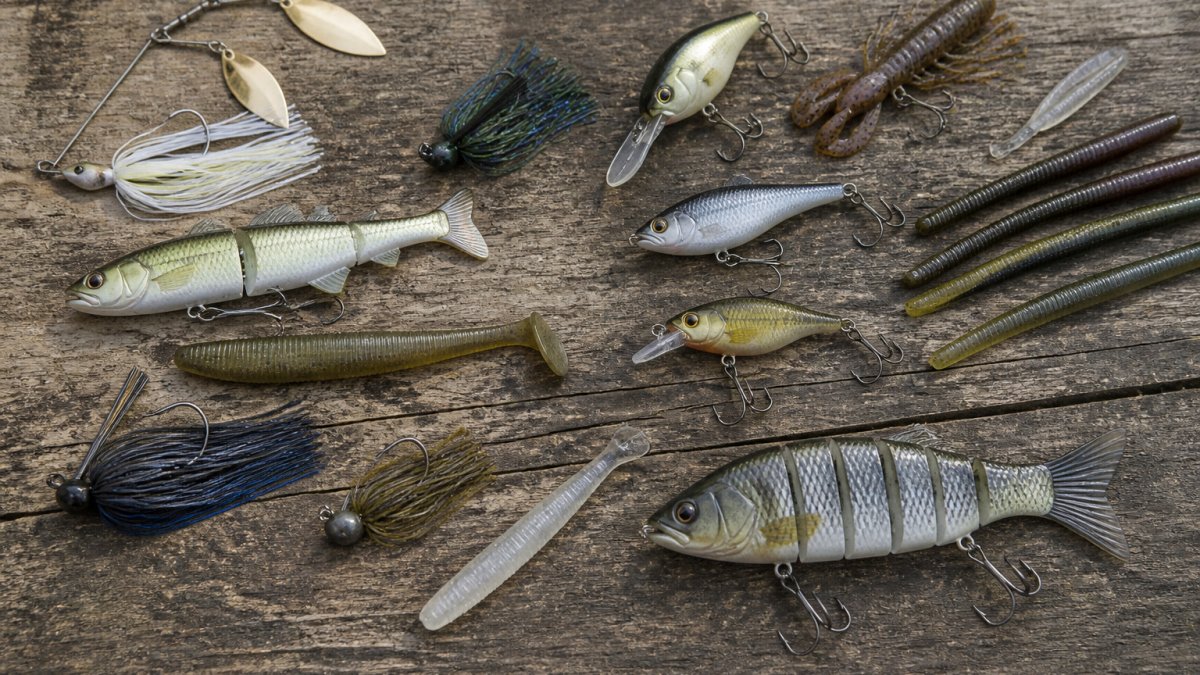
The selection below represents the core arsenal for serious Northeast river anglers. Each option fills a specific role in your tackle box, from soft plastic workhorses to precision topwater tools. We've included the best JDM lures for northeast rivers across multiple categories because no single lure wins every situation.

Lure | Type | Best For | Standout Feature |
Megabass Magdraft | Soft Plastic Swimbait | Clear to stained water, trophy bass | Mag-Hold hook retention system |
Megabass Karashi 80 | Topwater | Calm eddies, finesse applications | I-motion swimming action |
Geecrack Bellows Gill | Creature Bait | Heavy cover, flipping/pitching | SAF scent formula, deep ribbing |
Bassman Spinnerbait | Inline Spinner | River channels, grass lines | Premium ball-bearing swivels |
Storm Arashi Glide | Glide Bait | Open water, large bass | Multi-jointed S-shaped motion |
VMC Heavy Duty Swim Jig | Jig Head | Vegetation, wood cover | Simplified snag-resistant design |
Megabass Magdraft: Soft Plastic Dominance in River Systems
The Megabass Magdraft represents everything that makes JDM soft plastics superior for Northeast rivers. This isn't just another swimbait, it's engineered for the specific demands of cold-water systems where finesse and durability matter equally.
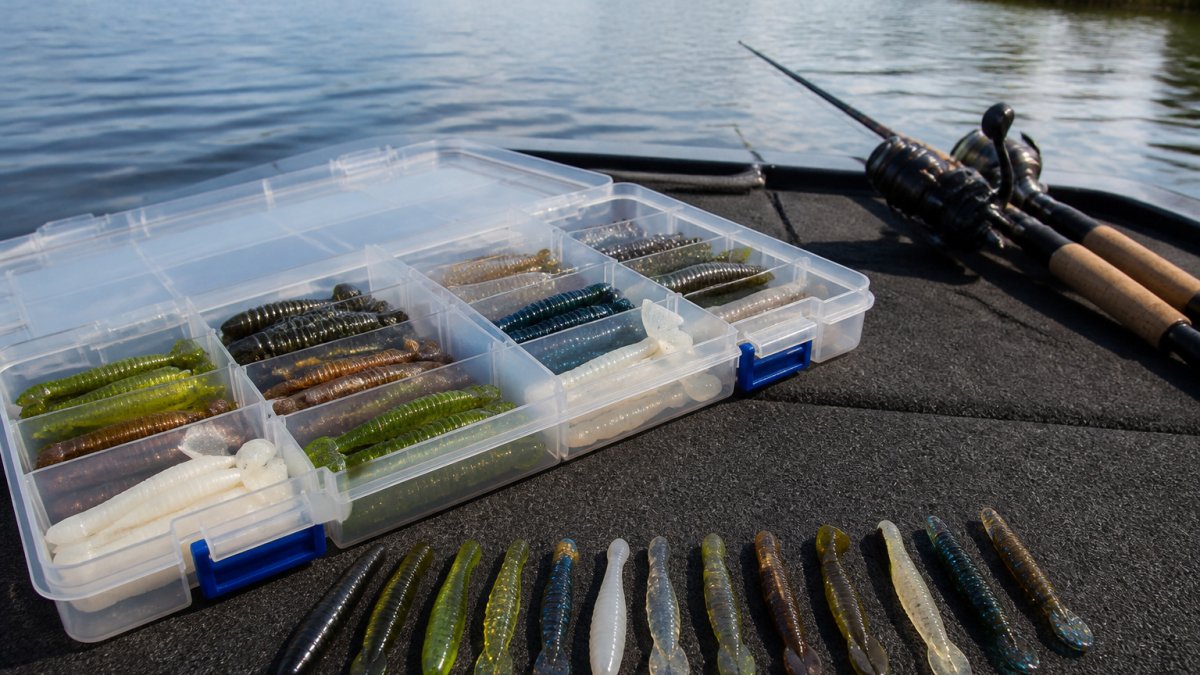
What makes the Magdraft stand out is the Mag-Hold system, which keeps the hook secured tight against the body during the retrieve. In river current, that means zero wobble, zero misalignment. The high-density soft plastic construction holds its shape through repeated casts and multiple fish, unlike cheaper alternatives that tear or lose their profile after a few strikes. The tail vibration at slow retrieve speeds is what separates this lure from generic swimbaits, it generates action when you're barely moving, which is exactly what you need when working deep holes or current breaks.
For Northeast rivers, the Magdraft excels in clear to stained water where bass can see the profile. The realistic baitfish shape triggers predatory response better than abstract lure designs. Throw it on a 6.5-foot medium-power rod with 12-pound fluorocarbon, and you can work it through structure without snagging constantly. The internal harness system means fewer lost fish on the hookset.
Watch Out The one mistake anglers make with the Magdraft: they fish it too fast. This lure is designed for slow, methodical retrieves through deep water. Speed kills its effectiveness. If you're accustomed to burning swimbaits, you'll underestimate this lure's potential until you slow down and let the tail do the work.
Best JDM Jerkbaits for Smallmouth in Cold Water
Cold-water smallmouth fishing demands jerkbaits that track true and suspend at the right depth. The best JDM jerkbaits for smallmouth in Northeast rivers combine suspending design with minimal wobble, qualities that separate premium Japanese construction from domestic alternatives.
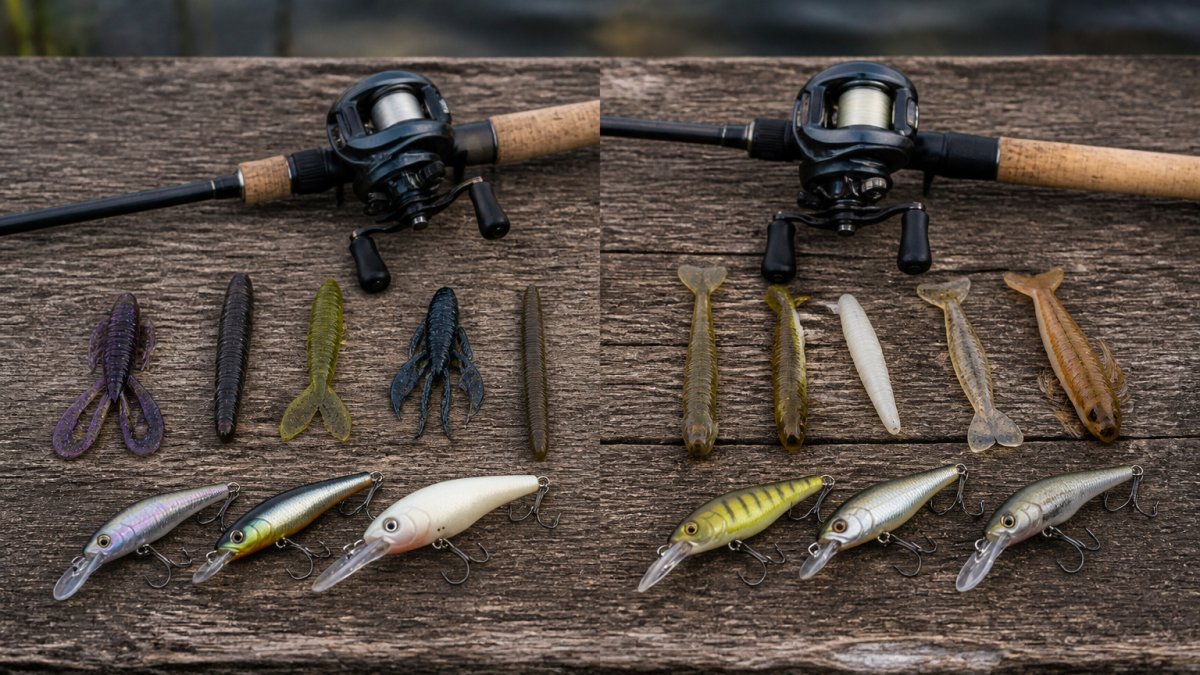
The Megabass Karashi 80 is built specifically for this application. Its I-motion swimming capability allows subtle side-to-side movement without aggressive wobble, which matters when water temperatures drop below 50 degrees. Smallmouth in cold water won't chase erratic lures, they want a realistic profile with minimal energy expenditure. The high-buoyancy body gives you precise surface control, critical when working shallow eddies where smallmouth stage before moving to deeper winter holes.
What most guides miss: jerkbait selection in Northeast rivers isn't just about the lure itself, it's about line choice and rod action. A jerkbait works only if your rod has enough sensitivity to feel the lure's movement and enough backbone to set the hook cleanly. Pair the Karashi 80 with a 6-foot medium-power jerkbait rod and 8-pound fluorocarbon, and you'll notice the difference immediately.
Terminal tackle selection matters too. Use VMC treble hooks or upgrade to the premium hooks included with premium JDM jerkbaits. Smallmouth have hard mouths, poor hook quality results in missed fish.
How to Choose JDM Hooks for River Lures
Hook selection is where most anglers lose fish. The best JDM hooks for river lures balance penetration with durability, and they're engineered differently than domestic equivalents.
JDM hooks are typically sharper and thinner in the wire, which sounds like a weakness until you understand the engineering. Thinner wire penetrates faster on the hookset, critical when fishing finesse lures where you're not using heavy power. The sharpness comes from Japanese manufacturing precision, each hook is honed to exacting tolerances.
For river applications specifically, consider these factors. First, hook size must match your lure's profile. A Megabass Magdraft rigged on oversized hooks looks unnatural and reduces the lure's action. Second, hook gap, the distance between the shank and the point, should accommodate your target species. Smallmouth need adequate gap for secure hooksets. Third, hook coating matters in river environments where abrasion against rocks and wood is constant.
The common mistake: buying the cheapest hooks in your local tackle shop. JDM-quality hooks cost more upfront but reduce lost fish dramatically. A single trophy bass lost to hook failure pays for an entire year's worth of premium hooks.
Where to Buy Megabass Gear and Premium JDM Tackle
Finding authentic Megabass lures and other premium JDM tackle requires knowing where to source them. Not every retailer stocks the full range, and backorders are common at larger chains.
Pine State Tackle carries the largest Megabass and Geecrack inventory in the Northeast, along with the largest 6th Sense dealer on the East Coast. We maintain stock of hard-to-find colors and sizes because we understand what Northeast river anglers actually need. Free domestic shipping on orders over $99 eliminates the friction of ordering premium tackle online. Our wholesale availability on all PST products means you can build your arsenal.
What separates us from larger competitors: we know these lures. Our team fishes Northeast rivers year-round, so we understand which Megabass designs work in spring current, which Geecrack soft plastics excel in summer heat, and which topwater lures trigger bites in fall. That expertise is reflected in our curation.
The thing nobody tells you about buying JDM lures online: shipping damage is real. Lures with delicate actions can arrive bent or cracked. We package carefully and stand behind every order. If your tackle arrives damaged, we make it right.
Durability vs. Performance: What Northeast River Anglers Need to Know
JDM lures cost more than domestic alternatives, and the question every angler asks is whether the performance justifies the price. The answer depends on how you define durability and what you're fishing for.
Performance advantages are measurable. JDM soft plastics hold their shape through many casts without tearing. JDM topwater lures maintain their action in cold water and strong current where cheaper plugs become sluggish. JDM jerkbaits track true through retrieve after retrieve. These aren't marginal gains, they're the difference between a productive day and a frustrating one.
Durability is more nuanced. Premium JDM lures are built to last, but "lasting" doesn't mean they're indestructible. A Megabass Magdraft can handle a rocky river bottom, but repeated impacts will eventually crack the plastic. A Geecrack Bellows Gill can be rigged multiple times, but the soft plastic formula means eventual wear.
For Northeast river fishing, this trade-off favors performance. You're fishing in environments where action and finesse matter more than bombing heavy structure. A soft plastic that feels perfect for 40 casts, then gets replaced, outperforms a durable domestic alternative that never quite matches the profile you need.
Key Takeaway Budget for lure replacement as part of your fishing investment. Premium JDM lures cost more per unit but deliver better results per cast. Over a season, the performance gains can justify the expense for serious anglers.
Common Mistakes When Selecting JDM Lures for Rivers
Most Northeast anglers make predictable errors when building their JDM arsenal. Recognizing these mistakes saves money and improves your success rate.
The first mistake: buying based on color alone. JDM lures come in dozens of color variations, and new anglers often assume that more options means better results. In reality, 3-4 core colors, natural shad patterns, chartreuse, and darker options for stained water, cover 95% of situations.
The second mistake: selecting lure size based on preference rather than forage matching. Northeast rivers have specific baitfish populations. If your rivers hold primarily 2-3 inch shiners, a 4-inch Megabass Magdraft is oversized. Match your lure profiles to actual forage, and your hookup rate improves immediately.
The third mistake: ignoring water clarity and seasonal patterns. A Megabass Karashi 80 topwater works great in spring when water is stained and bass are shallow. In summer, when water clears and bass move deep, a soft plastic swimbait becomes more effective. Buying one lure type and expecting it to work year-round guarantees mediocre results.
The fourth mistake: pairing JDM lures with domestic-quality terminal tackle. You're investing in premium lures, invest equally in premium hooks, leaders, and line. A lost trophy bass because your fluorocarbon broke is an expensive lesson.
Selecting the best JDM lures for northeast rivers means understanding the specific demands of your water and matching lure profiles to conditions. Visit us to build your arsenal with lures engineered for your water, and fish with the confidence that comes from premium equipment. Download our App to browse our full JDM selection and take advantage of free domestic shipping on orders over $99.
Frequently Asked Questions
What makes JDM lures different from standard domestic tackle?
JDM lures excel in precision engineering, weight distribution, and hook quality. They're designed for finesse applications and river-specific challenges like variable current and cold water. Japanese manufacturers prioritize buoyancy control, retrieve speed sensitivity, and forage matching over mass-market appeal. For Northeast rivers, this means lures that respond to subtle rod movements and maintain consistent action in fast current, qualities standard domestic lures often sacrifice for affordability.
Are JDM lures worth the investment for recreational river fishing?
Yes, especially in Northeast river systems where current dynamics and water clarity demand precise lure performance. JDM lures reduce wasted casts and improve hook sets due to superior line sensitivity and rod responsiveness. Even recreational anglers fishing weekends will notice faster catch rates and longer lure durability. The investment pays for itself through fewer lost lures and more successful trips, particularly in cold-water seasons when bass are less aggressive and require finesse presentations.
Which JDM lures work best for smallmouth bass in cold Northeast rivers?
Jerkbaits like the Megabass Karashi 80 excel in cold water because their subtle I-motion swimming action triggers strikes from inactive fish. Pair them with ultralight combos for maximum sensitivity. Soft plastics like the Geecrack Bellows Gill work well on drop-shot rigs in deeper pools. For current-heavy sections, inline spinners with premium ball-bearing swivels maintain consistent blade vibration even at slow retrieve speeds, critical when smallmouth are lethargic in winter conditions.
How do I know if a JDM lure will work in my specific river conditions?
Match lure profile to forage: if your river holds shad, choose swimbaits; for crawfish-heavy areas, use creature baits or jigs. Consider water clarity, clear water demands natural colors and realistic profiles; stained water tolerates brighter hues and larger profiles for visibility. Test retrieve speed: faster retrieves in warmer months, slower in cold. Current strength determines weight distribution: heavy jig heads anchor in fast current, while lighter finesse setups work eddies and slack water. Start with one proven lure type per trip and adjust based on strikes.
Download our App!
Comments